Glycol Heaters for Reactors: Design and Performance Considerations
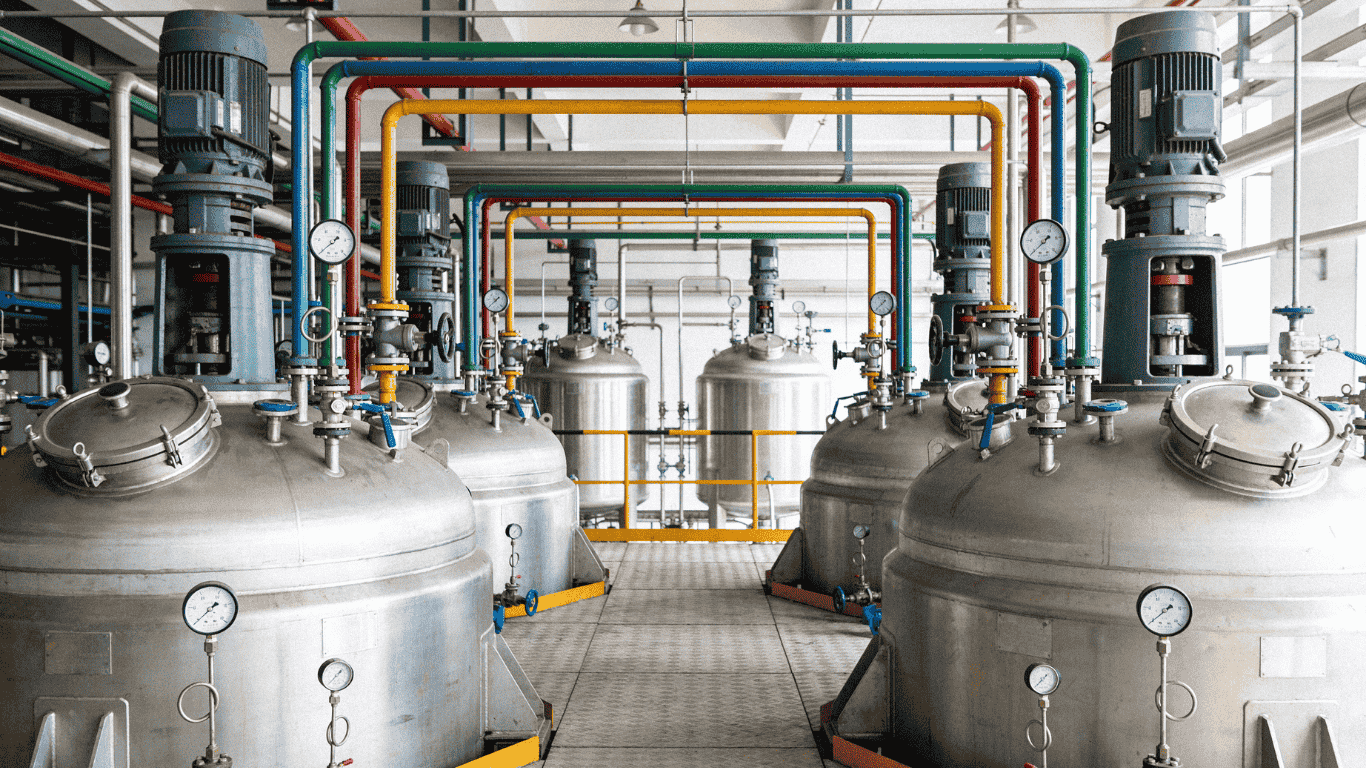
In every industrial process that relies on a chemical reactor, temperature control quietly determines whether production runs smoothly or becomes a constant struggle. Over the years, we have seen how even small temperature swings can affect reaction rates, product quality, and overall system stability.
This is where a glycol heater for reactors becomes an essential part of modern heating systems. By delivering consistent, controllable heat, glycol-based solutions help operators maintain tight process control while protecting sensitive equipment. When designed and operated correctly, these systems support safer operations, more predictable outcomes, and better efficiency across demanding industrial environments. More importantly, they give engineers and plant teams the confidence that their thermal management strategy can keep pace with real-world operating conditions.How a Glycol Heater Works Inside Reactor Systems
A glycol heater for reactors works by circulating a specially formulated heat transfer fluid through a closed-loop system that delivers controlled energy directly to the reactor jacket or internal coils. This thermal fluid absorbs energy from a central heat source, then carries that heat efficiently to where it is needed most. Unlike pure water, a properly balanced water glycol mixture offers higher stability across a wide temperature range, making it ideal for demanding industrial environments. Glycol mixtures raise the boiling point and reduce vapor pressure, allowing systems to operate safely at higher temperatures without flashing or excessive pressure buildup. This improves heat transfer consistency and minimizes operational risk. By carefully selecting the right glycol formulation, operators gain predictable thermal performance, steady flow characteristics, and better control over reaction conditions. Over time, this stability translates into smoother production cycles, improved product quality, and reduced stress on critical process equipment.Why Glycol Is Preferred Over Water and Steam
In many industrial facilities, teams often debate whether steam, pure water, or glycol-based systems make the most sense for reactor heating. From a practical standpoint, glycol consistently delivers better reliability and control. Steam systems can provide rapid heating, but they also introduce higher pressures, more complex controls, and increased safety risks. Even small failures in steam traps or valves can quickly disrupt operations and compromise efficiency. Pure water systems are simpler, but they bring their own limitations. Water can freeze during shutdowns, expand inside piping, and create costly damage. It also struggles to perform consistently at high temperatures without pressurization. Glycol-based coolant systems avoid these problems by offering freeze protection, stable performance across a broad operating range, and safer operation at elevated temperatures. In real-world applications, this translates into smoother temperature control, fewer unplanned outages, and more predictable long-term performance, all of which help facilities maintain steady production and protect valuable equipment.System Components That Define Performance and Reliability
When we evaluate any glycol heating loop, performance almost always comes down to the quality and integration of its core components. A high efficient heat exchanger sits at the center of the system, ensuring rapid and consistent heat transfer from the energy source into the circulating thermal fluid. Whether the system is powered by electric elements or fueled by gas, proper exchanger design directly affects response time, operating stability, and overall efficiency. From there, reliable pumps maintain steady flow through insulated copper piping ETL, which minimizes heat loss and protects temperature consistency across long pipe runs. Fully insulated pipes also reduce energy waste and help operators maintain tighter control over process conditions. A well-calibrated digital temperature controller brings the entire loop together, continuously adjusting output to match changing process demands. Electrical components such as breakers and starters protect motors and controls from overloads, while automation systems help regulate flow and heat delivery. When these elements work in harmony, operators gain predictable performance, lower operating costs, and a system that supports long-term reliability instead of constant troubleshooting.Fuel Options, Energy Efficiency, and Cost Control
Selecting the right fuel strategy has a direct impact on how efficiently a glycol heater for reactors can operate over the long term. In many facilities, natural gas remains a popular option because it offers a good balance between operating cost, availability, and performance. Demand gas heater designs, in particular, allow systems to scale output based on real-time load, which helps avoid unnecessary fuel consumption during partial-load conditions. Electric heaters can deliver precise control and clean operation, but they often become expensive in regions with high power rates. The key is understanding how each option performs under your specific process demands. Systems that cycle frequently, run at high loads, or operate around the clock benefit most from fuel-efficient designs that minimize wasted energy. By matching heater capacity to actual operating conditions, facilities can keep costs low while maintaining reliable temperature control and stable production output.Operational Best Practices and Preventive Maintenance
Even the most carefully designed glycol heater for reactors can lose efficiency or face downtime if routine maintenance is overlooked. Operators should focus on corrosion prevention, proper fluid chemistry, and verifying that pumps, valves, and heat exchangers operate as intended. Using glycol mixtures with appropriate corrosion inhibitors helps protect critical surfaces and extends service life, while systems that are maintenance factory run tested tend to perform more reliably once installed. Teams should also track component wear on standard models, from pumps to digital controllers, and replace year parts proactively rather than waiting for failures. Small steps like checking flow rates, inspecting insulated piping, and monitoring temperatures can prevent minor issues from escalating. Proper preventive care not only keeps systems running efficiently but also reduces long-term costs. For a deeper look at corrosion risks and strategies, see our guide on galvanic corrosion.Supporting Water and Chemical Systems for Glycol Heater Performance
A glycol heater for reactors doesn’t operate in isolation; its performance depends heavily on the supporting water and chemical systems that feed the process. Properly treated water reduces scaling, prevents corrosion, and ensures consistent heat transfer, which is critical for both manufacturing and laboratory applications. Cooling systems, including chillers and cooling towers, also work in tandem with glycol loops to stabilize temperatures and remove excess heat efficiently. Equally important is chemical management. Selecting the right additives and maintaining correct concentrations helps protect materials and maintain system reliability over time. Operators who integrate water treatment with chemical programs often see fewer shutdowns, better energy efficiency, and longer equipment life. For facilities looking to optimize their setup, ProChem provides comprehensive water treatment systems and custom chemical solutions designed to support high-performance glycol heating loops.Practical Selection Tips for Engineers and Operators
Choosing the right glycol heater for reactors starts with understanding the specific needs of your process. Systems should be selected based on the temperature range, flow requirements, and the type of reactor in use. Standard models often provide reliable performance, but custom configurations may be necessary depending on process complexity or space constraints. Operators should consider units that provide consistent heat delivery, easy integration with existing controls, and the many benefits of efficient thermal management. Key advantages include improved temperature stability, longer equipment life, and smoother production cycles. By approaching selection with these practical criteria in mind, teams can ensure the heater meets operational demands without overbuilding or overspending.Building a Smarter Reactor Heating Strategy
Optimizing a glycol heater for reactors goes beyond picking the right unit; it’s about creating a heating strategy that balances efficiency, reliability, and ease of operation. Teams should monitor fluid chemistry, maintain proper flow, and schedule preventive checks to catch issues before they escalate. Small adjustments to temperature control and system management can make a noticeable difference in performance and energy use. Looking to fine-tune its reactor heating setup or explore the right combination of systems and chemicals? Connect with us. Our ProChem experts can help you design a strategy that improves efficiency, extends equipment life, and keeps your operations running safely and smoothly.Frequently Asked Questions (FAQs)
What are the main fuel options for a glycol heater for reactors?
Glycol heaters can operate using demand gas heaters or electric heating elements, depending on your facility’s infrastructure, energy costs, and process requirements. Gas-fired units are often preferred for continuous high-load applications, while electric heaters provide precise temperature control and cleaner operation for sensitive environments.Are standard models available, or do I need a custom unit?
Many manufacturers offer standard glycol heater models suitable for common reactor sizes and temperature ranges. For specialized applications, custom units can be designed to meet unique performance, footprint, or industry-specific requirements, ensuring optimal heating efficiency and safety.How difficult is maintenance for glycol heating systems?
Modern glycol heaters are designed for easy maintenance, with accessible pumps, controllers, and piping. Routine checks on fluid levels, corrosion inhibitors, and heat exchangers help maintain consistent performance and minimize downtime, supporting reliable reactor operation.Can these systems be used across multiple industries?
Yes. Glycol heaters are versatile and support chemical manufacturing, laboratories, process facilities, and other industries requiring precise temperature control. Their stable heating performance and compatibility with various reactor designs make them a reliable choice for diverse applications.Who should I contact for guidance on system selection or troubleshooting?
Reach out to a technical team experienced in reactor heating solutions. Expert guidance ensures your glycol heater is correctly sized, installed, and maintained, providing consistent performance, long-term reliability, and safe operation within your facility.Water Engineering Explained: Applications in Industrial Facilities
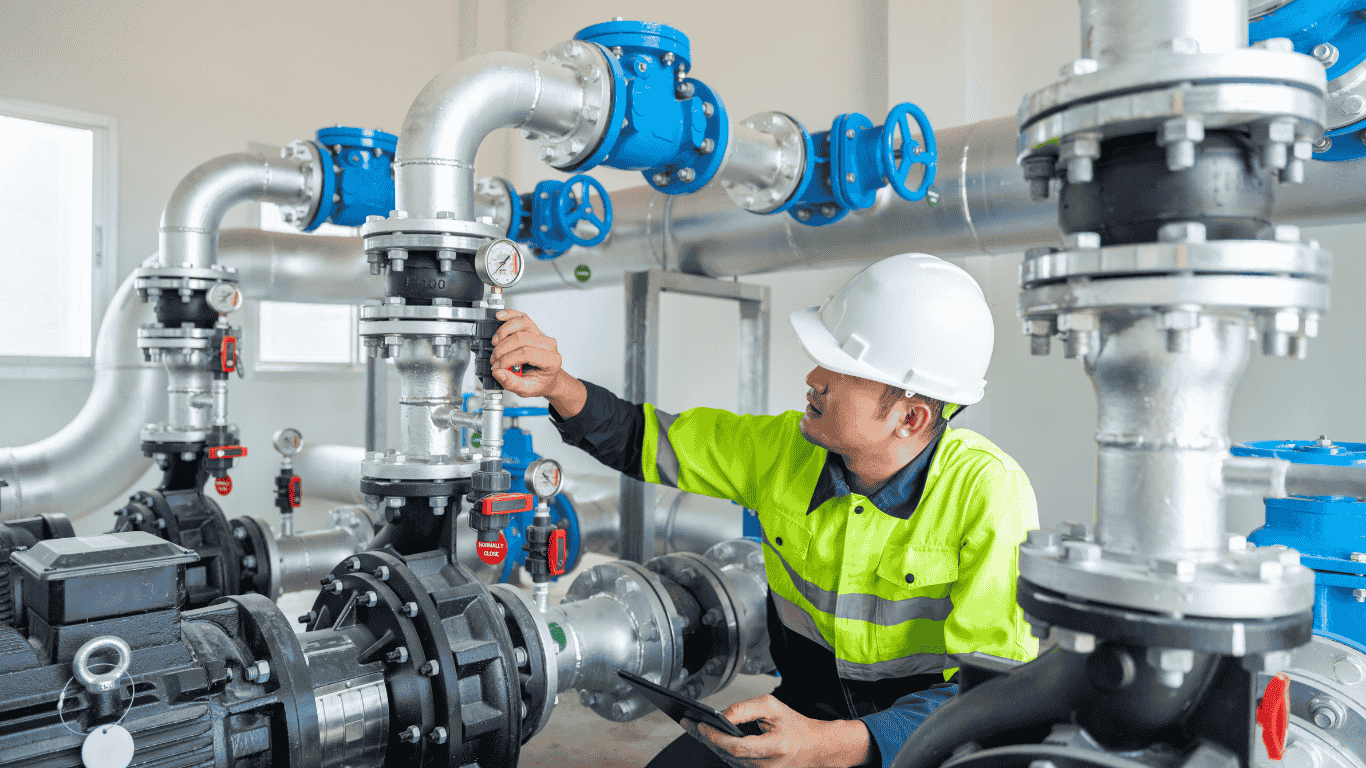
Water engineering is the backbone of how industrial facilities manage and use one of our most vital resources. It combines engineering principles with a deep understanding of water resources to ensure systems are safe, reliable, and efficient. From designing treatment processes to maintaining water supply networks, water engineering touches nearly every part of a facility’s operations. For professionals in this field, it’s about making smart, practical decisions that keep water flowing safely for human use and supporting the broader goals of sustainability and operational excellence.
What Is Water Engineering?
Water engineering is the field focused on planning, designing, and maintaining systems that manage water safely and efficiently. Professionals in this area, including hydraulic engineers, work on a range of projects from pumping stations to large-scale water supply networks. Their responsibilities cover everything from building hydraulic structures and monitoring flow to ensuring consistent water quality and reliable distribution. Water engineers collaborate closely with contractors, government agencies, and facility teams to develop systems that meet both operational and community needs. Effective water engineering combines technical skill, practical problem-solving, and an understanding of the science behind water movement and treatment. For more on the types of systems involved, see our overview of water treatment systems.Core Areas of Water Engineering
Water engineering spans several critical areas that keep industrial facilities and communities running smoothly. Key focuses include:- Water Resource Management: Ensuring the sustainable use and distribution of water across systems.
- Water Treatment: Designing and operating systems that provide clean water for human use and industrial processes. Learn more about water treatment systems and technologies.
- Wastewater Systems: Managing and treating wastewater to protect both the environment and facility operations.
- Flood Control: Developing strategies and infrastructure to minimize flooding risks in industrial and urban areas.
- Civil Engineering Involvement: Integrating structural and hydraulic design to support durable, efficient water management solutions.
The Role of Water Resource Engineers
Water resource engineers play a vital role in keeping water systems safe, reliable, and sustainable. Their daily work involves monitoring water quality, overseeing distribution networks, and maintaining infrastructure that serves both industrial facilities and communities. They often coordinate with government agencies, water utilities, and contractors to address challenges like supply shortages, system upgrades, and emergency responses. Beyond technical tasks, water resource engineers contribute to planning projects that balance operational efficiency with environmental responsibility. Their expertise ensures that water moves where it’s needed, remains clean, and supports human use while protecting natural resources for the long term.Education and Career Pathways in Water Engineering
A career in water engineering typically starts with a bachelor’s degree in engineering or a related field, with many professionals pursuing a master’s degree to specialize further. Students benefit from programs that combine classroom learning with hands-on experience in water systems, treatment processes, and hydraulic design. Developing technical skills, leadership, and problem-solving abilities is key to advancing in this field. Water engineers can pursue careers in industrial facilities, consulting, or government agencies, all while achieving professional goals that contribute to sustainable water management and community well-being.Tools, Methods, and Technologies
Water engineers rely on a range of tools and technology to design, monitor, and optimize water systems. Modeling software helps simulate flow, pressure, and treatment outcomes, while advanced sensors and automation streamline water quality monitoring. New systems and processes, such as membrane filtration and automated distribution controls, enhance efficiency and reliability in industrial facilities. By combining these tools with practical engineering expertise, teams can anticipate challenges, reduce downtime, and maintain safe water for human use. For an in-depth look at modern water solutions, explore our systems solutions and features.Sustainability and Community Impact
Water engineering plays a crucial role in promoting sustainability and responsible water resource development. Engineers design systems that optimize energy use, protect rivers, and ensure access to clean water for human use. Projects often involve dams, treatment facilities, and infrastructure improvements that balance community needs with environmental protection. By applying thoughtful planning and innovative solutions, water engineers help communities thrive while conserving resources for the future. Their work ensures that water remains safe, reliable, and available for both industrial operations and everyday human needs.Challenges in Water Engineering
Water engineering comes with a variety of challenges that professionals navigate daily. Maintaining complex systems, treating wastewater, and ensuring consistent water quality require constant attention and expertise. Flood control adds another layer of complexity, especially in areas prone to heavy rainfall or rising river levels. Population growth and industrial expansion also put pressure on existing infrastructure, requiring engineers to adapt and plan for future demand.Steps for Effective Water Engineering Implementation
Effective water engineering starts with a thorough assessment of your facility’s systems, identifying areas where maintenance or upgrades are needed. Regularly monitoring water quality, optimizing distribution networks, and maintaining hydraulic structures ensures reliable performance and long-term sustainability. Teams should also implement water management practices that conserve resources and reduce operational costs. For facilities looking to strengthen their approach, taking these steps early can prevent costly downtime and system failures. Looking to optimize your facility’s water systems? Our water engineering team can help you improve efficiency, safeguard water resources, and design maintenance plans that keep operations running reliably.Frequently Asked Questions (FAQs)
What skills are essential for water engineers?
Water engineers need a combination of technical knowledge, problem-solving ability, and leadership skills. Expertise in water treatment, hydraulic systems, and energy-efficient practices helps them design and maintain reliable and sustainable water infrastructure.How do hydraulic engineers support industrial water systems?
Hydraulic engineers focus on the movement and control of water through pipelines, pumping stations, and dams. Their work ensures proper flow, system efficiency, and safety for industrial facilities and surrounding communities.Why is water resource management critical for communities?
Effective water management balances human use with environmental protection. By overseeing distribution, treatment, and flood control, engineers ensure communities have access to clean water while conserving natural resources.How do water treatment systems maintain clean water?
Water treatment systems employ processes such as filtration, chemical treatment, and continuous monitoring to remove impurities. Operators and contractors rely on these systems to maintain water quality and prevent contamination in industrial and municipal facilities.What role do government agencies play in water engineering projects?
Government agencies provide regulations, funding, and oversight to ensure safe and sustainable water infrastructure. They collaborate with engineers to implement large-scale projects, from dams to municipal systems, while enforcing compliance with environmental standards.What Is Glycol and How It’s Used in Industrial Systems

Glycol is a versatile chemical compound used across a wide range of industrial applications, from HVAC systems and refrigeration to manufacturing and process cooling. But what is glycol, and why does it play such a critical role in modern operations?
At its core, glycol helps regulate temperature, prevent freezing, and protect equipment from corrosion, making it essential for maintaining reliable system performance. Whether in closed-loop heating systems, cooling circuits, or specialized industrial processes, glycol supports efficiency, safety, and long-term equipment reliability. Understanding its purpose and proper use allows facility managers, engineers, and operators to make informed decisions that improve performance, reduce risk, and optimize overall system efficiency.What Is Glycol? A Clear, Practical Definition
To fully understand how glycol functions in industrial and commercial systems, it helps to begin with a clear definition of what is glycol and how it behaves. In chemical terms, glycol refers to a group of organic compounds that belong to the alcohol family. These compounds are characterized by the presence of two hydroxyl groups (–OH) attached to a carbon-based structure, which directly influences how they interact with water, heat, and other substances. As a chemical compound, glycol is valued for its unique combination of physical properties, including low freezing points, high boiling points, and strong heat-transfer capability. These characteristics allow glycol solutions to remain stable across a wide range of temperatures, making them ideal for systems that require reliable thermal control. Its molecular structure also gives it high solubility in water, enabling consistent circulation and uniform temperature distribution throughout closed-loop systems. Because of these properties, glycol performs effectively as both a heat-transfer medium and a freeze-protection agent. Its predictable behavior under varying thermal conditions helps maintain system efficiency, protect equipment from damage, and support stable operation in demanding industrial and commercial environments.Types of Glycol and How They Differ
There are several types of glycol used in commercial and industrial systems, but the two most common are ethylene glycol and propylene glycol. While both deliver effective freeze protection and heat transfer, they differ significantly in terms of toxicity, safety, and suitable applications. Ethylene glycol is known for its excellent thermal performance and wide operating temperature range, making it highly effective for demanding heat transfer systems. However, it is also considered highly toxic, and even small exposures can pose serious health risks to humans and animals. Because it belongs to a class of toxic substances, ethylene glycol requires strict handling procedures, spill containment plans, and controlled disposal methods. For this reason, its use is typically limited to closed-loop industrial systems where human exposure is unlikely. In contrast, propylene glycol is widely recognized as a non toxic alternative and a safer alternative in applications where incidental human contact may occur. It offers slightly lower heat transfer efficiency than ethylene glycol, but its significantly reduced toxicity makes it suitable for food processing, pharmaceutical manufacturing, HVAC systems in public buildings, and other sensitive environments. This balance of performance and safety has made propylene glycol the preferred choice for many modern commercial and institutional installations.Why Glycol Is Used in HVAC and Cooling Systems
Glycol plays a critical role in maintaining efficiency, safety, and reliability in HVAC systems, cooling systems, and other closed loop systems. In these applications, glycol-based solutions function as specialized heat transfer fluids, enabling consistent temperature regulation while protecting equipment from damage caused by extreme operating conditions. One of glycol’s primary benefits is enhanced heat transfer. When blended with water, glycol circulates through piping, heat exchangers, and coils, efficiently absorbing and releasing thermal energy. This controlled movement of heat allows systems to maintain stable temperatures, support consistent performance, and minimize thermal stress on critical components. In a closed loop water system, this predictable behavior helps ensure long-term operational reliability and energy efficiency, particularly when integrated into properly designed treatment and circulation equipment commonly used in modern industrial and commercial systems. Equally important is glycol’s role in freeze protection. Unlike pure water, which freezes at 0°C (32°F), glycol solutions lower the overall freezing point, acting as an antifreeze that helps prevent freezing in exposed piping, coils, and outdoor equipment. This capability is essential for preventing freeze ups during cold weather, system shutdowns, or low-flow conditions. By lowering the freezing point of water, glycol safeguards against burst pipes, damaged heat exchangers, and costly downtime, ensuring year-round system reliability.How Glycol Solutions Work Inside Industrial Systems
In industrial operations, glycol solutions are carefully formulated to optimize heat transfer while protecting equipment from damage. Maintaining proper glycol concentration is critical: too low, and the solution may freeze or lose effectiveness; too high, and it can reduce heat transfer efficiency. Typically, glycol is mixed with distilled water to achieve the ideal balance of performance and protection, with glycol levels monitored regularly to ensure consistent operation. One of the key benefits of glycol solutions is their ability to raise the boiling temperature of the circulating fluid. A high boiling point allows systems to operate safely under elevated temperatures without vapor formation, ensuring stable energy transfer across all system components. At the same time, glycol solutions are fortified with corrosion inhibitors to provide long-lasting corrosion protection. These inhibitors rely on carefully managed inhibitor levels and inhibitor strength to prevent rust, scale, and pitting in pipes, heat exchangers, and other critical surfaces. By combining precise glycol concentration, elevated boiling temperature, and effective corrosion inhibitors, these solutions extend equipment life, maintain operational efficiency, and reduce maintenance costs. Proper monitoring and periodic testing of glycol solutions help industrial operators ensure that their systems perform reliably, even under demanding thermal and chemical conditions.Broader Industrial and Commercial Uses of Glycol
Glycol is not only essential for HVAC and cooling systems but also supports a wide range of industrial applications and commercial applications. Its versatility as a glycol derived compound makes it valuable across automotive, manufacturing, food, pharmaceutical, and chemical industries. Below are some of the most common uses where glycol contributes to efficiency, safety, and product quality:- Automotive antifreeze, brake fluid, and hydraulic fluids: Glycol is commonly found in these automotive systems, providing reliable freeze protection, heat transfer, and stability under extreme conditions.
- Food processing and food products: In food grade applications, glycol helps maintain precise temperatures, ensuring product quality and safety during production, storage, and transportation.
- Pharmaceutical applications: Glycol solutions support controlled thermal processes, ingredient stabilization, and reliable heat management in sensitive pharmaceutical manufacturing operations.
- Polyester fibers, resins, and solvents: As a chemical intermediate, glycol is integral to producing polyester fibers, resins, and various solvents, supporting a wide range of industrial manufacturing processes.
- Natural gas processing: Glycol is used to remove water vapor, protecting pipelines and equipment from corrosion and ensuring continuous operation in natural gas systems.
- Chemical manufacturing: Glycol’s stability and versatility make it a trusted glycol derived component in producing diverse chemicals and industrial applications across multiple sectors.
Health, Safety, and Environmental Considerations
While glycol is invaluable in industrial and commercial systems, it also presents important health risks and exposure risks that operators must manage carefully. Certain glycols, particularly toxic substances like ethylene glycol, are sweet-tasting, which can increase the likelihood of accidental ingestion and pose serious chemical hazards. Even small exposures can be harmful, so proper handling, protective equipment, and clear safety protocols are essential to minimize these risks. From an environmental perspective, improper disposal or spills can lead to environmental contamination, posing environmental risks to soil, water sources, and aquatic life. Glycol can harm aquatic life, and its environmental impact is compounded when large volumes enter natural ecosystems. Thoughtful environmental considerations including containment, recycling, and treatment help reduce these risks and demonstrate environmental responsibility in industrial operations. Best practices for safe glycol use include monitoring system integrity, controlling leaks, maintaining proper storage, and following chemical disposal guidelines. Integrating glycol management into structured chemical programs, like the solutions highlighted in our chemical products and custom programs, ensures both operational safety and environmental compliance. By combining careful handling with proactive system design, facilities can protect workers, communities, and the environment while maintaining the efficiency and reliability that glycol provides.Managing Glycol Programs for System Reliability
Effective glycol use is critical for maintaining performance, safety, and longevity in closed loop systems. Regular monitoring and testing of glycol levels help ensure the solution maintains its freeze protection, prevents freeze ups, and supports consistent heat transfer throughout the system. Establishing a structured program for sampling, analysis, and concentration adjustments allows operators to identify potential issues before they impact system performance. Implementing comprehensive treatment strategies, including corrosion inhibitors and water quality control, enhances system reliability while providing additional benefits such as reduced maintenance costs and extended equipment life. Routine inspection of system components, combined with careful monitoring of potable water and glycol blends, ensures the mixture remains effective and safe for operation. Proactive maintenance planning, including scheduled flushing, testing, and adjustments, is key to optimizing systems performance over time. Facilities can also leverage tailored solutions and guidance offered through structured chemical programs to support long-term operational stability, prevent freeze ups, and maintain reliable temperature control across all closed loop applications.Maximizing System Performance with Glycol
Glycol is a versatile and essential component in modern industrial and commercial operations. From maintaining efficient heat transfer and preventing freeze ups to protecting closed loop systems and supporting potable water safety, its proper use directly impacts reliability, performance, and equipment longevity. Understanding the different types of glycol, monitoring glycol use, and implementing thoughtful treatment strategies helps facilities operate safely, efficiently, and with confidence. Taking a proactive approach: regular testing, proper concentration control, and informed maintenance ensures that systems not only run smoothly but also avoid unnecessary risks. Consider reviewing your current glycol program and system practices to identify opportunities for improved performance and enhanced safety; small adjustments today can lead to long-term stability and peace of mind. Have questions about glycol use or system performance? Don’t wait for a problem to arise. Contact us today and let’s work together to keep your operations running safely and efficiently.Frequently Asked Questions (FAQs)
What is ethylene oxide used for in industrial applications?
Ethylene oxide is a versatile chemical often used as a dehydrating agent or sterilizing agent in manufacturing processes. In industrial and commercial systems, it’s primarily valued for its ability to remove moisture from gases or liquids and to act as a chemical intermediate in the production of other important compounds, supporting safe and reliable operations.Can glycol systems affect potable water quality?
When properly managed, glycol systems should have no impact on potable water. Using correct concentrations, maintaining inhibitor strength, and separating glycol loops from drinking water supplies ensures water remains safe and meets regulatory standards. Routine testing helps identify any potential issues before they pose a risk.How do glycol inhibitor levels contribute to system performance?
Maintaining proper inhibitor strength is crucial for protecting pipes, heat exchangers, and other components from corrosion. Inhibitors neutralize corrosive elements and extend equipment life, helping the system operate efficiently while reducing unplanned downtime and costly maintenance.Is glycol compatible with oral hygiene products or food-grade processes?
Certain types of glycol, such as propylene glycol, are food-grade and safe for use in applications like oral hygiene products or food processing. Choosing the right grade ensures safety, prevents contamination, and maintains consistent quality for sensitive consumer products.What precautions should be taken when using glycol with other chemicals?
Glycol can interact with a variety of other chemicals, so it’s important to follow recommended guidelines for mixing, storage, and monitoring. Compatibility checks, proper handling, and careful monitoring of concentrations and inhibitor levels help prevent unintended reactions and maintain system reliability.Reverse Osmosis Tanks: Purpose, Design, and Best Practices

After years of working with industrial and commercial water systems, one thing becomes clear quickly: treatment doesn’t stop at filtration. A reverse osmosis tank plays a quiet but critical role in how reverse osmosis systems actually perform in real facilities. It is where treated water is stored, stabilized, and made ready for use when demand rises. Without proper storage and pressure management, even well-designed RO systems struggle to deliver consistent results. Whether the goal is protecting process equipment or maintaining reliable drinking water supply, the tank is what turns purified water into usable water.
In the sections ahead, we’ll walk you through how these tanks work, how they’re designed, and what operators should look for when building dependable RO systems.What a Reverse Osmosis Tank Does in Real-World Systems
In day-to-day operation, a reverse osmosis tank acts as both a buffer and a delivery system. As reverse osmosis water is produced, it flows into the tank for water storage, where an internal air chamber helps pressurize the system. This built-in pressure allows water to move smoothly through downstream piping and reach points of use without sudden drops in flow. Inside most ro tanks, a flexible bladder separates the stored water from compressed air, maintaining steady pressure while protecting water quality. A properly set valve regulates flow in and out of the tank, helping stabilize the entire system. When storage and pressure are balanced, operators see fewer flow interruptions, smoother performance, and more consistent water delivery across the facility.How Reverse Osmosis Storage Tanks Are Designed
A well-built reverse osmosis tank is designed to balance strength, safety, and long-term performance. Most systems rely on a reverse osmosis storage tank that uses a flexible bladder or diaphragm to separate water from compressed air. This internal design allows the storage tank to maintain consistent pressure while protecting the treated water from contamination. The tank material is carefully selected to resist corrosion, provide long-term protection, and remain durable under continuous pressure cycles. Many modern tanks are also NSF certified, which confirms they meet strict standards for drinking water safety and quality. Inside, the tank is typically pre charged with air, allowing it to regulate pressure smoothly as water enters and exits. This design helps stabilize flow, reduces mechanical stress on system components, and improves overall reliability. When integrated properly with upstream treatment systems such as membrane filtration and pretreatment solutions, which you can explore in our overview of industrial water treatment systems, the result is a durable, resistant storage solution that supports consistent performance across demanding operating conditions.Choosing the Right Size Tank for Your Application
Selecting the correct reverse osmosis tank starts with understanding how much water your operation actually uses throughout the day. Flow demand, peak usage, and system recovery time all influence how you size tank capacity. Facilities with fluctuating demand often benefit from larger sizes, while steady-use operations can operate efficiently with smaller tanks that fit tighter spaces. Physical constraints also matter. Dimensions such as height and diameter determine how easily the tank will fit into mechanical rooms, under counters, or on equipment stands. Weight is another practical factor, especially when tanks are installed on elevated platforms or upper floors. Oversizing can increase cost and slow system response, while undersizing leads to frequent cycling, unstable pressure, and inconsistent water availability. This is why tank selection should always be viewed as part of a broader system design strategy. When tanks are sized alongside membranes, pumps, and pretreatment equipment, performance becomes far more predictable. If you want a deeper look at how tanks integrate into full treatment layouts, our guide on water treatment systems and technologies walks through the design principles that support long-term system reliability.Installation, Operation, and Ongoing Performance
Installing a reverse osmosis tank correctly sets the stage for reliable system performance. Placement matters, tanks should sit on a level surface with easy access to valves and connections for routine maintenance. Most ro tanks use an internal bladder or diaphragm to separate air from water, so checking and adjusting the air charge helps maintain proper pressure. A properly pressurized tank ensures smooth flow from water storage tanks to points of use and reduces strain on the system. Operators should also verify that valves are installed correctly and routinely inspect for leaks or pressure drops. Routine checks are simple but impactful. Confirming the tank’s air charge, flushing lines as needed, and monitoring water quality helps prevent issues before they become costly problems. Teams often catch early performance dips by watching for slow fills or unusual pressure changes. Integrating your tank into the overall ro storage strategy is essential. Tanks work best when matched with membrane output and flow requirements. For guidance on how tanks fit within full system configurations, see our guide on selecting an industrial reverse osmosis system.Practical Steps to Improve RO Tank Performance
Maintaining a reverse osmosis tank starts with simple, consistent practices. Check that valves are operating smoothly, confirm the tank pressure regularly, and ensure water flows without interruptions. Inspect tanks for leaks or unusual noises, and verify that pressure remains stable to protect downstream equipment. Operators often catch small issues early, preventing bigger problems and ensuring water quality stays high.How ProChem Designs Complete RO Storage Solutions
At ProChem, we approach reverse osmosis storage as part of a complete system, not just as individual tanks. Our team designs ro systems where tanks, membranes, pretreatment, and plumbing work together to ensure consistent water quality and reliable flow. Each storage tank is built to match system output, maintain proper pressure, and protect water during storage. By integrating ro storage thoughtfully into the system layout, we help facilities avoid pressure fluctuations, maximize membrane efficiency, and extend equipment life. Need guidance on optimizing your RO setup? Connect with us. Our experts can review your configuration and recommend practical adjustments to improve performance, protect water quality, and keep your tanks running smoothly.Frequently Asked Questions (FAQs)
What should I look for when choosing water storage tanks for my RO system?
When selecting water storage tanks, consider capacity, material, and pressure rating. Tanks should be durable, corrosion-resistant, and able to handle at least 100 psi. Choosing the right size and type for residential or commercial spaces ensures smooth water delivery and reduces stress on your RO system.Are NSF certified RO tanks necessary for drinking water systems?
Yes, NSF certified tanks ensure the materials are safe for drinking water and meet strict health standards. Using certified tanks protects water quality and provides peace of mind for long-term operation.How do I maintain my tank and monitor performance?
Regular maintenance includes inspecting valves, checking air pressure, and flushing lines as needed. Monitor pressure, water color, and unusual noises. Many operators set reminders in maintenance logs or use email alerts to ensure routine checks are not missed.What factors affect the price and lifespan of an RO storage tank?
Tank price depends on size, material, and certifications. A quality tank typically lasts one year or more under normal use, with proper maintenance extending its lifespan. Consider warranty, reviews, and included features before purchasing.Can I transport or move RO tanks easily if needed?
Some tanks come with stands or carts to make relocation easier. Always note the weight and dimensions before moving, and handle full tanks carefully to prevent damage or leaks.Common Water Treatment Chemicals Used in Industry

Water treatment chemicals are essential tools for keeping water safe, clean, and reliable in both industrial and municipal systems. Whether you’re managing a large cooling tower, a boiler, or drinking water supply, these chemicals help prevent corrosion, scale buildup, and bacterial growth. Teams often notice early problems when chemicals aren’t balanced properly, which can affect system performance and longevity. Understanding the role of these treatment chemicals gives operators the insight they need to maintain healthy water systems, reduce maintenance issues, and ensure operations run smoothly without surprises.
Why Water Treatment Matters
Water treatment plays a crucial role in keeping industrial and municipal systems running safely and efficiently. Proper use of water treatment chemicals ensures safe water by controlling harmful bacteria, preventing corrosion, and minimizing scale buildup that can damage pipes and equipment. Without the right chemical balance, systems can experience costly downtime, reduced performance, and even compliance issues with local regulations. Operators often catch early warning signs by monitoring water quality and adjusting treatments proactively.Common Types of Water Treatment Chemicals
Water treatment chemicals come in a wide array, each designed to solve specific challenges in industrial and municipal water systems. Understanding the roles of these chemicals helps operators maintain safe, efficient, and compliant operations while protecting equipment and extending system life.- Disinfectants: Chemicals like chlorine, chlorine dioxide, sodium hypochlorite, and hydrogen peroxide sanitize water and control harmful bacteria. Proper dosing and monitoring ensure these disinfectants remain effective without causing damage to the system.
- pH Adjusters: Soda ash and sodium hydroxide help maintain optimal pH levels, preventing corrosion and scale buildup. Operators often check pH daily to protect pipes, tanks, and heat transfer surfaces from unnecessary wear.
- Coagulants: Ferric sulfate and ferric chloride bind suspended particles and impurities, promoting sedimentation and clearer water. This makes downstream filtration or wastewater treatment more efficient and reliable.
- Corrosion Inhibitors: Organic and inorganic inhibitors reduce chemical and electrochemical damage in pipes and equipment. Using the right inhibitors lowers maintenance costs and extends the life of water systems while supporting overall performance.
How These Chemicals Protect Water Systems
Water treatment chemicals protect water systems by targeting the issues that can compromise safety and efficiency. Disinfectants control harmful bacteria, ensuring safe water for industrial and municipal use. Coagulants promote sedimentation, helping remove impurities before they cause blockages or reduce flow. pH adjusters and corrosion inhibitors prevent corrosion and scale buildup, protecting pipes, tanks, and heat transfer surfaces from damage. Monitoring chemical levels helps prevent costly downtime and keeps systems running smoothly. Regular attention to these treatments ensures water remains clean, equipment lasts longer, and overall system performance stays reliable.Water Treatment Applications in Industry
Water treatment chemicals play a critical role across a range of industrial applications. In cooling towers and boilers, they prevent scale, corrosion, and microbial growth that can compromise efficiency. For potable water systems, these chemicals ensure safe water and regulatory compliance. Industrial wastewater treatment relies on coagulants and disinfectants to remove contaminants before discharge. Teams should focus on balancing chemical dosage with system needs for optimal performance, avoiding overuse or underdosing that could harm equipment.Challenges Operators Face
Managing water treatment chemicals comes with several challenges. Highly corrosive chemicals can damage pipes and equipment if not handled properly, while underdosing or overuse reduces treatment effectiveness and allows bacteria or other harmful contaminants to thrive. Operators often catch early issues by regularly reviewing water chemistry and equipment performance. Success relies on technical expertise and consistent maintenance to ensure chemicals protect systems without creating new problems. Staying vigilant helps prevent costly downtime and keeps water systems safe and reliable.Regulatory Compliance & Safety
Regulatory compliance is a critical part of managing water treatment chemicals. Staying compliant isn’t just paperwork; it prevents harmful contaminants from reaching your systems or drinking water. Following EPA guidelines and municipal regulations ensures that water remains safe while protecting equipment and maintaining operational reliability. Proper documentation, regular testing, and careful chemical handling are all essential. Teams that prioritize compliance not only meet legal requirements but also safeguard the health of facility personnel and the communities they serve.Optimizing Water Treatment Programs
Effective water treatment programs balance chemical types, dosing, and monitoring to meet the unique water treatment needs of each system. Small tweaks in dosing schedules or chemical selection often deliver big improvements in system performance and reliability. Application expertise is key: understanding how each chemical interacts with your equipment and water chemistry ensures safe, efficient operations. Regular adjustments and monitoring help prevent scale, corrosion, or microbial issues before they escalate. For tailored guidance, explore ProChem’s Custom Chemical Programs to develop solutions that optimize chemical use and protect your water systems.Internal Systems and Equipment Considerations
Water treatment chemicals interact directly with the pipes, tanks, and boilers that make up your systems, influencing their life and performance. Improper chemical balance can accelerate corrosion, cause scale buildup, or reduce the effectiveness of cleaners. Teams should watch for early signs of scale or corrosion, especially in older systems, and adjust treatment accordingly. Routine maintenance, careful monitoring, and using the right chemicals help protect equipment and ensure smooth operations. For a closer look at how systems and chemicals work together, see About Systems.Monitoring & Maintenance Tips
Consistent monitoring is key to keeping water systems safe and efficient. Checking chemical levels, pH, and overall water quality helps prevent corrosion, scale, and bacterial growth. Routine checks can prevent major issues before they impact performance or increase costs. Regular maintenance, paired with proper monitoring, supports system longevity and reliable operations. Operators who track trends over time can identify potential problems early and make informed adjustments. For practical guidance on keeping systems in top condition, see our System Performance & Maintenance guide.Emerging Trends in Water Treatment Chemicals
The field of water treatment chemicals continues to evolve, offering a wide array of innovative solutions. Eco-friendly chemicals, advanced oxidation using powerful oxidizing agents, and automated dosing systems allow teams to treat water more efficiently while reducing chemical use. Keeping up with these new technologies helps operators maintain compliance, optimize performance, and minimize environmental impact. Integrating modern solutions into existing programs can improve system reliability and extend equipment life without adding complexity.Steps to Build an Effective Program
Building an effective water treatment program starts with assessing your water quality and identifying system-specific needs. Next, select the right water treatment chemicals and treatment solutions for your operations. Regular monitoring and timely adjustments ensure optimal performance and prevent issues like scale, corrosion, or bacterial growth. Teams often see the best results by pairing expert chemical guidance with consistent monitoring. Ready to strengthen your water treatment program? Reach out to ProChem’s experts to create a tailored plan that protects your systems, improves performance, and ensures compliance.Frequently Asked Questions (FAQs)
What are the most common water treatment chemicals used in industrial systems?
Industrial systems often rely on chlorine, chlorine dioxide, sodium hypochlorite, ferric sulfate, ferric chloride, and various corrosion inhibitors. These chemicals work together to sanitize water, control scale, and protect equipment from corrosion.How do water treatment chemicals help prevent corrosion and scale?
Chemicals like pH adjusters, corrosion inhibitors, and scale control agents maintain optimal water chemistry. They protect metal surfaces from deterioration and reduce the buildup of minerals that can damage pipes, boilers, and heat transfer surfaces.Can treatment chemicals disinfect water and remove harmful bacteria?
Yes, disinfectants such as chlorine, chlorine dioxide, and hydrogen peroxide control harmful bacteria, sanitize water, and support safe drinking water and wastewater treatment operations.How do operators adjust pH or alkalinity in water systems?
Operators use pH adjusters like soda ash or sodium hydroxide, along with alkalinity adjustment chemicals, to maintain proper water chemistry. Regular monitoring ensures balance and prevents corrosion, precipitation, or odors.Are there chemicals that target specific contaminants like iron, fluoride, or sulfur?
Yes, specialized treatment chemicals can remove iron, fluoride, sulfur, and pesticides. Coagulants, precipitation agents, and other solutions help clarify water and reduce harmful contaminants, keeping systems and drinking water safe.