Reverse Osmosis System Cost: What You Should Know
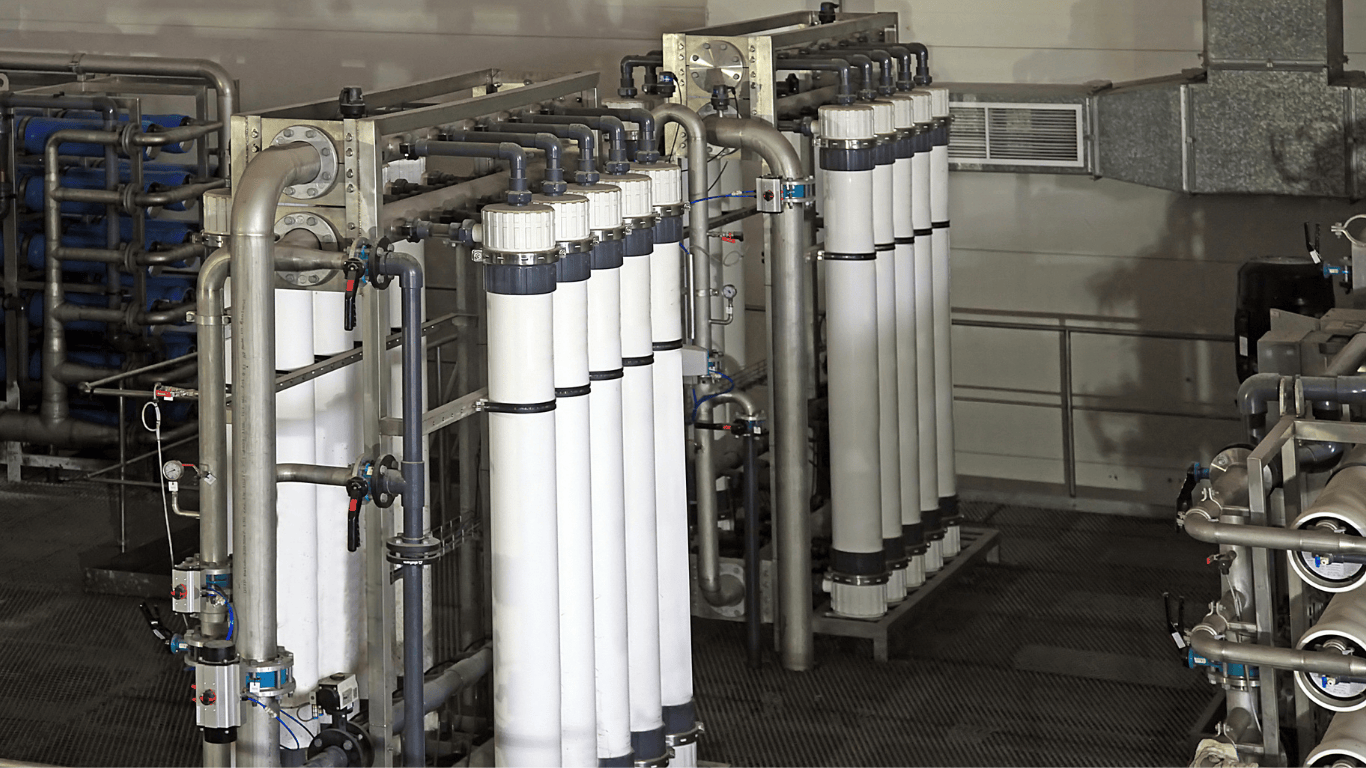
When evaluating a reverse osmosis system, it’s easy to focus on the sticker price of the equipment. We’ve seen many facility managers do this, only to be surprised later by hidden costs in installation, pre-treatment, and long-term operation. The true reverse osmosis system cost goes well beyond the RO unit itself, encompassing energy, maintenance, chemical use, and system monitoring.
Understanding these factors early helps operators and decision-makers plan budgets more accurately, avoid surprises, and select a system that meets both capacity and water quality requirements. Whether you’re considering a commercial RO system or exploring reverse osmosis water filters for industrial use, it’s essential to look at the complete picture.
Industrial and Commercial RO System Costs
Understanding the industrial reverse osmosis system costs starts with recognizing how system type and capacity influence pricing. Industrial systems for manufacturing or large-scale water treatment typically range from $50,000 to $500,000, depending on production capacity and water quality requirements. Smaller commercial RO systems, used in hotels, restaurants, or office buildings, generally cost $10,000 to $150,000.
A key factor in cost is gallons per day (GPD) capacity. Larger systems benefit from economies of scale, reducing cost per GPD. For example, a 1,000 GPD commercial RO system may cost $15–25 per gallon, while a 50,000 GPD industrial system drops to $5–10 per gallon.
Water quality also plays a role. Systems treating variable feed water with high hardness or contaminants require more extensive pre-treatment, driving up costs. Selecting the right system type for your application ensures both efficiency and longevity. For a closer look at system options and features, check out our
ProChem Systems Overview.
Capital Expenses (CAPEX) Overview
When planning a reverse osmosis system, understanding capital expenses (CAPEX) is crucial. The main components include core equipment like high-pressure pumps and RO membranes, pre-treatment systems, control instrumentation, and storage tanks. Installation costs can vary significantly based on system capacity, site conditions, and whether the project is a new installation or a retrofit.
Smaller systems have lower absolute costs, but larger systems often offer better value per gallon treated due to economies of scale.
Pre-treatment systems like multimedia filters and softeners, along with automation and controls, add upfront investment but protect membranes and extend system life. For a deeper look at
membrane filtration systems and features, see our
Membrane Filtration Systems page.
Pre-Treatment and Post-Treatment Costs
Effective pre-treatment is essential to protect RO membranes and maintain long-term system performance. Multimedia filters, carbon filters, and water softeners remove suspended solids, chlorine, and hardness minerals that can foul membranes or reduce efficiency. Chemical dosing systems for scale inhibition and pH adjustment further safeguard the system while optimizing water recovery.
On the post-treatment side, investment in storage tanks, disinfection, and remineralization ensures consistent water quality for end use. Stainless steel tanks offer superior durability and sanitary characteristics, while UV or ozone systems provide microbiological safety. Remineralization restores essential minerals removed during the RO process, producing treated water suitable for drinking, industrial applications, or food and beverage use. Properly designed pre- and post-treatment systems reduce maintenance costs, extend membrane life, and support reliable operation over the system’s lifespan.
Operational Expenses (OPEX)
Once a reverse osmosis system is up and running, operational expenses (OPEX) become a significant part of total cost. Energy costs typically account for 40–60% of OPEX, driven by high-pressure pumps and recovery rates. Membrane replacement and filter replacements add ongoing expenses, with RO membranes typically replaced every 2–5 years depending on water quality. Chemicals for cleaning, scale inhibition, and pH adjustment further contribute to operating costs.
Routine annual maintenance and system monitoring are critical. Operators often catch early issues by monitoring pressure and water quality trends, preventing costly downtime and membrane damage. Regular water testing ensures consistent water produced meets quality standards while avoiding regulatory issues.
Investing in proactive maintenance and monitoring can significantly reduce long-term costs and extend system life. For tailored operational support, including preventive maintenance and troubleshooting, check out our
ProChem Services offerings.
Energy Efficiency and Recovery Optimization
Optimizing energy use is a key factor in managing reverse osmosis system cost. Recovery rates, which indicate how much feed water is converted into treated water, directly impact both water efficiency and energy consumption. Higher recovery reduces waste but may increase membrane fouling, so careful recovery rate optimization is essential for balancing efficiency and system longevity.
Energy recovery devices, such as pressure exchangers, capture hydraulic energy from concentrate streams, reducing electricity demand by 30–60% in large systems. Variable frequency drives (VFDs) further enhance efficiency by adjusting pump speed to match demand, cutting energy costs while reducing mechanical stress.
Modern RO systems increasingly include smart features that monitor performance in real time, providing alerts on pressure, flow, and water quality variations. These capabilities enable operators to make proactive adjustments, improving water efficiency, protecting membranes, and lowering overall operating expenses.
Industrial vs. Commercial Systems
When comparing industrial and commercial RO systems, differences in system type and operational requirements are significant. Industrial systems prioritize reliability and continuous operation, often featuring redundant pumps, automated controls, and robust construction to handle high-capacity demands. These systems may include dual-train configurations and backup components, reducing downtime but increasing initial cost.
Commercial systems, such as point of use systems or whole house RO systems, focus on space efficiency and integration with building infrastructure. Compact designs minimize installation complexity and disruption while meeting daily water quality needs.
Regulatory considerations also vary. Industrial applications may require extensive monitoring, permitting, and compliance with discharge standards, whereas commercial systems primarily ensure safe potable water. Understanding these distinctions helps operators select the right system for their facility, balancing performance, cost, and long-term maintenance requirements.
Real-World Applications and Costs
Understanding how industrial reverse osmosis systems and commercial RO systems perform in real-world settings helps guide budgeting and system selection. In pharmaceutical manufacturing, USP-grade water production requires validated systems with sanitary construction, often costing $100,000 to $750,000. Food and beverage processing systems emphasize clean-in-place capability and stainless steel materials, adding 40–80% to baseline costs while ensuring consistent water quality.
Power generation facilities invest $200,000 to $2 million in RO systems for boiler feedwater, including degasifiers and polishing stages. Semiconductor manufacturing demands ultra-pure water with multiple treatment stages, driving costs above $500,000.
On the commercial side, restaurants and hotels use RO systems to protect equipment and provide safe drinking water, typically costing $15,000 to $100,000 depending on capacity. Healthcare and educational facilities require reliable, high-quality water for laboratories, cafeterias, and patient care, influencing system size and complexity.
Evaluating these examples highlights how application-specific requirements affect both upfront costs and long-term operation.
Cost Optimization Strategies
Making your RO system cost effective requires planning beyond the initial purchase. Modular or phased implementation allows facilities to expand capacity over time while learning how to operate smaller systems efficiently. Standardizing equipment and components across multiple units reduces spare parts inventory, training needs, and simplifies filter changes.
A proactive preventive maintenance program extends system life and minimizes unexpected downtime. Regular water audits help identify opportunities for improved recovery, energy savings, and better overall water efficiency. Choosing professional installation ensures proper setup and integration, preventing costly mistakes that can arise from improper commissioning.
Partnering with experienced water treatment companies also provides access to expertise and optimization strategies tailored to your system 12 or other RO configurations. For additional support with chemicals, dosing, and pre-treatment optimization, see our
Chemical Programs.
Lifecycle and Total Cost of Ownership
When evaluating a reverse osmosis system, the total cost extends far beyond initial capital expenses. Over a 15–20 year lifecycle, operational expenses such as energy, maintenance, and membrane replacement often exceed the upfront investment, making it a big investment that requires careful planning.
Financial analysis tools like net present value (NPV), internal rate of return (IRR), and payback period calculations help operators compare system options, quantify long-term savings, and justify investments. Considering residual value at the end of a system’s life, such as recoverable stainless steel or other materials, further refines cost projections.
Choosing high-quality equipment at premium prices may seem costly initially, but it often reduces maintenance, extends system life, and lowers total lifecycle costs. Approaching RO system planning with a long-term perspective ensures informed decisions, reliable performance, and optimal return on investment.
Steps to Reduce Reverse Osmosis System Cost
Here’s how I guide teams to manage reverse osmosis system cost without compromising water quality. Start by selecting the right system type for your application, balancing capacity, recovery, and complexity. Conduct thorough water testing to identify necessary pre-treatment and optimize chemical use. Implement preventive maintenance schedules and monitor water treatment performance to catch early issues, reducing unexpected downtime and costly repairs. Consider modular or phased expansions to spread capital investment over time. Standardizing components and filters simplifies maintenance and reduces operational overhead.
Taking these steps ensures efficiency, reliability, and long-term savings. For a detailed assessment tailored to your facility’s needs,
contact ProChem today for expert guidance and system analysis.
Frequently Asked Questions (FAQs)
What are the benefits of installing a whole house RO system?
A whole house system treats all water entering your home, protecting plumbing, appliances, and fixtures from scale, chlorine, and other contaminants. It improves tap water tastes, ensures consistent water quality, and reduces reliance on bottled water. Unlike point of use systems, a whole house approach addresses water quality for showers, laundry, and cooking, providing comprehensive protection.
How often should reverse osmosis filters and replacement filters be changed?
Filter life depends on water quality and usage. Pre-filters typically require replacement every 6–12 months, while RO membranes last 2–5 years. Keeping up with reverse osmosis filter and replacement filter schedules prevents fouling, maintains water efficiency, and extends system life. Monitoring water quality trends helps anticipate filter changes before performance declines.
Can a countertop system provide the same quality as a home system?
Countertop systems are compact and convenient but usually treat smaller volumes than full home systems. They are suitable for drinking and cooking water but may not address whole house needs or post-treatment requirements. Consider your water demand and quality goals when choosing between a countertop or home system.
Does RO water replace bottled water effectively?
Yes, a well-maintained RO system can produce purified water comparable to bottled water in taste and safety. Post-treatment, such as remineralization, can enhance flavor and ensure balanced mineral content, making it a sustainable and cost-effective alternative.
What post-treatment options improve water quality?
Post treatment can include remineralization, UV disinfection, or activated carbon polishing. These steps enhance water taste, restore essential minerals, and provide microbiological safety. Proper post-treatment ensures that drinking water from your RO system is both safe and enjoyable.
