Water Treatment Technologies for Industrial Systems
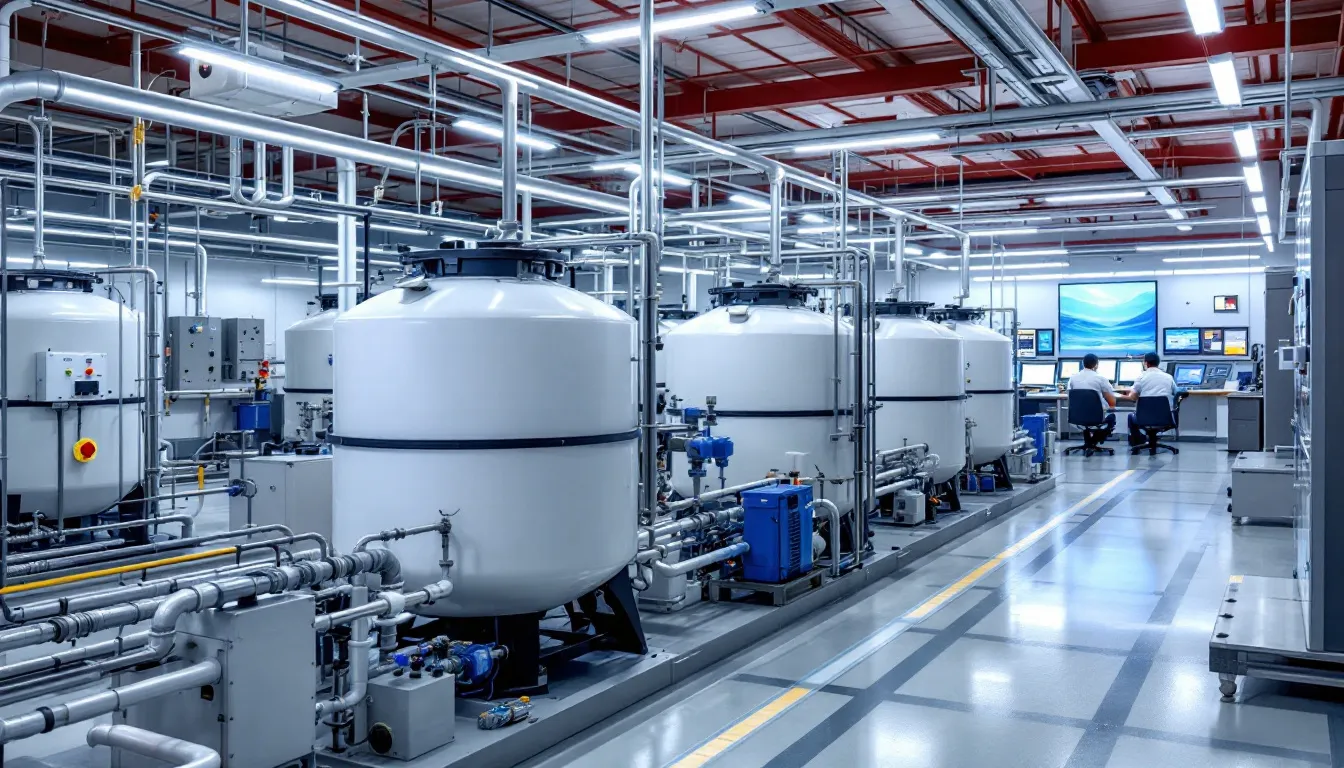
Water is the lifeblood of any industrial operation. Keeping it clean, safe, and efficient to use means protecting equipment, ensuring product quality, and reducing costs.
Modern water treatment goes far beyond simple filtration. Today’s industrial facilities rely on a mix of advanced processes, from membrane separation to biological treatment, to tackle a wide range of contaminants. Understanding these technologies helps operators choose the right system, optimize performance, and ensure water meets both operational and regulatory standards. In this guide, we’ll break down the key water treatment technologies used in industrial settings, explain how they work, and explore their applications all in clear, practical terms that make sense for facility managers, engineers, and operators alike.What Are Water Treatment Technologies
At their core, water treatment technologies are the tools and processes used to clean water, making it safe, reliable, and fit for purpose. In industrial settings, these technologies don’t just protect public health; they safeguard equipment, support manufacturing processes, and ensure regulatory compliance. Modern systems combine multiple processes to handle a wide range of contaminants efficiently. Key aspects of water treatment technologies include:- Targeting different types of contaminants: Industrial water can carry physical particles like sediments and suspended solids, chemical compounds such as heavy metals and organic contaminants, and biological threats including bacteria and viruses. Each technology focuses on addressing specific challenges.
- Integrated treatment processes: Facilities often use a series of technologies in a carefully designed “treatment train,” where each step complements the next. This combination ensures water meets strict quality standards for industrial use, drinking, or environmental discharge.
- Tailored technology selection: Choosing the right system depends on the type and concentration of contaminants in the water, regulatory requirements, and the unique conditions of the site — from available space to infrastructure constraints.
- Measuring effectiveness: Beyond removing contaminants, industrial water treatment systems are evaluated for energy efficiency, waste generation, operational sustainability, and long-term reliability.
- Regulatory-driven innovation: Standards like those in the EPA’s drinking water treatability database, along with emerging contaminant concerns such as polyfluoroalkyl substances (PFAS), continue to push the development of more advanced, adaptable water treatment solutions.
Physical Water Treatment Technologies
Physical water treatment processes rely on mechanisms such as size exclusion, adsorption, and phase transfer to remove contaminants from water without altering their chemical structure. These treatment processes form the foundation of many water treatment systems, often serving as primary treatment steps or pretreatment for more advanced technologies.1. Filtration and Membrane Processes
Membrane separation processes represent some of the most effective water treatment technologies available today, utilizing semi-permeable barriers to separate contaminants based on molecular size and charge. Reverse osmosis systems operate at high pressures to force water molecules through extremely fine membranes, effectively removing dissolved solids, radionuclides, and synthetic organic compounds with removal efficiencies exceeding 95% for most contaminants. The reverse osmosis process requires significant pressure differentials, typically ranging from 150 to 800 psi depending on the membrane type and water quality parameters. These systems generate a concentrated solution containing 15-30% of the influent water volume as a waste stream, which requires proper disposal or beneficial reuse. The concentrated waste stream contains all rejected contaminants at significantly higher concentrations than the original contaminated water.| Membrane Technology | Pore Size | Primary Applications | Typical Removal Efficiency |
|---|---|---|---|
| Reverse Osmosis | <0.001 µm | Desalination, dissolved organics | >95% for most contaminants |
| Nanofiltration | 0.001-0.01 µm | Hardness removal, organic compounds | 85-95% for target compounds |
| Ultrafiltration | 0.01-0.1 µm | Bacteria, viruses, colloids | >99% for particles >0.01 µm |
| Microfiltration | 0.1-5 µm | Suspended solids, large bacteria | >99% for particles >0.1 µm |
2. Adsorption Technologies
Granular activated carbon (GAC) is one of the most versatile and widely used water treatment technologies, thanks to its high internal surface area that effectively adsorbs organic contaminants. GAC systems can achieve remarkable removal rates for volatile organic compounds, including trichloroethylene (TCE) and perchloroethylene (PCE), often exceeding 99% when properly designed. The performance of activated carbon depends on factors like pH, water temperature, and the presence of competing organics. Contact time is also crucial: longer exposure generally improves contaminant removal, with most systems designed for 10 to 30 minutes to ensure optimal treatment. Specialized adsorptive media based on aluminum, iron, titanium, or zirconium target specific inorganic contaminants such as arsenic, fluoride, and heavy metals, though spent media must be regenerated or disposed of safely. Natural organic matter in the influent water can compete with contaminants for adsorption sites, reducing efficiency. Pretreatment to remove these organics not only improves system performance but also extends the service life of the media. By addressing these variables, adsorption technologies provide reliable, adaptable solutions for industrial water purification.3. Air Stripping Technologies
Air stripping technologies remove volatile contaminants by transferring them from the water phase to the air phase, with effectiveness directly correlated to the contaminant’s volatility as expressed by Henry’s law coefficients. Packed tower aeration systems force contaminated water through structured packing material while air flows counter-currently, maximizing the air-water interface for efficient contaminant transfer. Multi-stage bubble aeration systems utilize shallow basins with fine-bubble diffusers to achieve volatile contaminant removal through enhanced air-water contact. These systems often require multiple stages to achieve target contaminant reduction levels, with each stage providing incremental removal efficiency. The natural flow of air through stripping systems requires careful design to ensure adequate air-to-water ratios for effective treatment. Most air stripping systems operate with air-to-water ratios between 20:1 and 100:1, depending on the specific target contaminant and required removal efficiency. Air pollution control requirements may apply to air stripping systems treating certain volatile organic compounds, particularly in areas with stringent air quality regulations. Community acceptance factors often influence the feasibility of air stripping technologies due to potential odor issues and noise from blower equipment.Chemical Water Treatment Technologies
Chemical water treatment processes utilize chemical reactions to transform, neutralize, or precipitate contaminants, making them easier to remove through subsequent physical separation processes. These treatment technologies often provide highly specific contaminant removal capabilities and can address contaminants that are difficult to remove through physical processes alone.1. Ion Exchange Systems
Ion exchange systems are a key water treatment technology for removing specific ionic contaminants from water. By exchanging undesirable ions for harmless ones using specialized resin materials, these systems provide precise and efficient water purification for both industrial and commercial applications.- Targeting specific contaminants: Anion exchange systems effectively remove contaminants such as arsenic, chromium-6, nitrate, perchlorate, and certain polyfluoroalkyl substances (PFAS), often achieving removal efficiencies above 99% when properly designed and operated. Cation exchange systems focus on positively charged contaminants, including radium, barium, strontium, and hardness-causing calcium and magnesium ions. Water softening, one of the most common residential and commercial applications, relies on cation exchange to improve water quality for consumption and industrial processes.
- System operation and regeneration: Ion exchange resins require periodic regeneration using saturated sodium chloride brine solutions. This process restores the resin’s capacity but generates a concentrated waste stream containing removed contaminants at higher concentrations, which must be managed and disposed of safely.
- Optimizing performance: Adjusting pH can enhance removal efficiency for certain target contaminants, with optimal ranges depending on the resin type and contaminant profile. Many systems include automated chemical feed systems to maintain ideal treatment conditions and consistent water quality.
2. Chemical Oxidation and Reduction
Advanced oxidation processes (AOPs) are among the most powerful water treatment technologies for breaking down stubborn organic contaminants. By generating highly reactive species like hydroxyl radicals, these systems can destroy complex molecular structures that resist conventional treatment, making them ideal for industrial applications requiring high water quality.- Powerful oxidation mechanisms: AOPs combine oxidants such as ozone gas, hydrogen peroxide, and UV light to create conditions capable of treating a wide range of organic compounds. UV oxidation systems using UV light and hydrogen peroxide generate hydroxyl radicals with extremely short half-lives but exceptional reactivity, effectively addressing challenging contaminants like 1,4-dioxane, NDMA, and pharmaceutical residues.
- Dependence on water quality parameters: The success of chemical oxidation is influenced by factors like pH, alkalinity, and the presence of natural organic matter, which can compete with target contaminants. Most processes operate best within a pH range of 6.5–8.5 to optimize hydroxyl radical formation.
- Ozone-based treatment benefits: Ozone systems provide rapid oxidation of organic compounds while simultaneously offering disinfection. Ozone gas is generated on-site and dissolved into water under controlled conditions, including proper water temperature and pH, to maximize treatment efficiency and overall water quality.
3. Coagulation and Precipitation
Coagulation and precipitation are essential water treatment technologies for removing fine particles and dissolved metals from industrial water. By destabilizing suspended particles and forming insoluble compounds, these processes help clarify water, protect downstream equipment, and ensure compliance with water quality parameters.- Coagulation for particle removal: Chemical coagulants like aluminum sulfate (alum) and ferric sulfate neutralize the electrical charges that keep colloidal and fine particles suspended. This allows particles to aggregate into larger flocs that settle more easily, making subsequent sedimentation and filtration more effective.
- Precipitation for dissolved metals: Precipitation removes dissolved metals by forming insoluble compounds that can be separated from the treated water. Maintaining proper pH is critical, as it ensures optimal precipitation and prevents soluble metal complexes from remaining in the water. Automated chemical feed systems with pH monitoring often help maintain consistent treatment performance.
- Optimizing flocculation: Flocculation enhancement provides gentle mixing to encourage particle collisions and floc growth without breaking them apart. Typical retention times in flocculation basins range from 20 to 45 minutes, allowing sufficient time for flocs to form and settle efficiently.
Biological Water Treatment Technologies
Biological water treatment technologies harness the natural metabolic activity of microorganisms to remove contaminants efficiently and sustainably. By converting organic compounds into harmless byproducts like carbon dioxide, water, and biomass, these systems provide cost-effective solutions for industrial water treatment while minimizing chemical waste.
- Microbial contaminant removal: Indigenous bacteria in bioreactors consume organic contaminants as carbon and energy sources. Anoxic biological treatment systems can achieve over 90% removal of nitrate and perchlorate, using specialized bacteria that convert these contaminants into nitrogen gas and chloride ions.
- Supporting microbial activity: Adequate nutrients such as nitrogen and phosphorus, along with carefully dosed electron donors like methanol or ethanol, are essential to maintain active biological communities. Automated nutrient feed systems ensure optimal conditions even when influent water has limited natural nutrients.
- Operational considerations: Biomass management prevents excessive bacterial growth that could reduce treatment efficiency or cause operational issues. Post-treatment measures, including oxygen control, help avoid unwanted biological activity in downstream treatment processes or distribution systems.
- Adaptability and stability: Biological treatment systems naturally adjust to varying contaminant concentrations and types, offering more stable performance compared to chemical treatment processes sensitive to water quality changes in manufacturing processes and industrial applications.
Advanced and Specialized Treatment Technologies
Advanced and specialized water treatment technologies are designed to tackle contaminants that conventional processes cannot fully remove, including emerging contaminants and particularly resistant organic compounds. These systems combine oxidation, disinfection, and corrosion control strategies to ensure safe, reliable, and compliant water for industrial and commercial applications.- UV photolysis and advanced oxidation: UV photolysis uses UV light alone to break down organic contaminants, particularly those with chromophores absorbing 200–280 nm wavelengths. UV/H2O2 systems enhance this process by generating hydroxyl radicals, effectively treating stubborn compounds like 1,4-dioxane, NDMA, and MTBE. Emerging UV/chlorine systems create multiple reactive species while leveraging existing chlorine infrastructure for superior performance. Energy-efficient UV lamps and optimized reactor designs help minimize operational costs, and regular lamp maintenance ensures consistent treatment effectiveness.
- Disinfection technologies: Chlorine-based disinfection, including chlorine dioxide, provides robust pathogen control while producing fewer disinfection byproducts. UV disinfection inactivates bacteria, viruses, and chlorine-resistant protozoa without chemical addition, while ozonation delivers both oxidation and disinfection benefits. Maintaining residual disinfection in the distribution system often involves chloramines to prevent recontamination while balancing regulatory and water quality requirements.
- Corrosion control systems: Caustic feed systems using sodium hydroxide adjust pH to prevent metal leaching, and phosphate feed systems form protective films on pipe surfaces to reduce lead and copper levels for Lead and Copper Rule compliance. Sophisticated chemical dosing systems with automated monitoring and redundant feed equipment ensure consistent protection under variable water demand. Safety considerations, including proper storage, handling, and emergency response, are critical when working with concentrated chemicals.
Technology Selection and Implementation
Selecting appropriate water treatment technologies requires comprehensive evaluation of multiple factors to ensure effective, economical, and sustainable treatment solutions. The decision-making process must consider contaminant characteristics, site conditions, regulatory requirements, and long-term operational considerations.Design Considerations
Selecting the right water treatment technologies starts with understanding the specific characteristics of the water and contaminants to be treated. Proper design ensures that industrial and commercial treatment systems operate efficiently, meet regulatory requirements, and adapt to changing water conditions.- Contaminant type and concentration: The type, concentration, and mass loading of contaminants influence system sizing and technology selection. Higher contaminant levels often require more robust treatment approaches or multiple stages to achieve the desired removal efficiency.
- Water quality parameters: Factors such as pH, alkalinity, hardness, and natural organic matter content directly impact treatment effectiveness. Pretreatment adjustments may be necessary to optimize downstream water treatment processes and ensure consistent performance.
- Regulatory requirements: Discharge limitations and regulatory standards set minimum performance criteria. Systems must maintain compliance even during peak loading, maintenance periods, or other operational fluctuations.
- Site-specific conditions: Available space, existing infrastructure, power supply, and environmental constraints often dictate feasible technology options. Compact systems may suit urban facilities, while larger, less intensive setups can work in rural locations.
- Influent water variability: Seasonal changes, storm events, and other factors affect influent water quality. Flexible treatment systems with adjustable operating parameters help maintain reliable performance under variable conditions.
Cost and Duration Factors
Capital costs for water treatment systems vary significantly based on technology complexity, system size, and site preparation requirements. Membrane processes and advanced oxidation systems typically require higher initial investments compared to conventional technologies like granular activated carbon or air stripping. Operation and maintenance costs include ongoing expenses for chemicals, energy consumption, waste disposal, and equipment replacement. These recurring costs often represent a significant portion of total treatment costs over the system’s operational life and must be carefully evaluated during technology selection.| Treatment Technology | Annual O&M Cost | Primary Cost Drivers |
|---|---|---|
| Granular Activated Carbon | 5-15% of capital | Media replacement, pressure loss |
| Reverse Osmosis | 8-20% of capital | Membrane replacement, energy |
| Ion Exchange | 10-25% of capital | Resin replacement, brine disposal |
| Air Stripping | 3-10% of capital | Energy, air emission control |
Alternative Approaches
Nontreatment options, such as interconnection with uncontaminated water supplies, can offer cost-effective solutions when only part of a system is affected by contamination. These approaches typically require less capital investment and ongoing operational attention compared to active water treatment technologies. Installing new wells to access uncontaminated aquifers provides a permanent solution, eliminating ongoing treatment costs while ensuring long-term water supply security. Feasibility and optimal well placement are determined through detailed hydrogeological investigations. Additionally, beneficial reuse of treated water maximizes the value of treatment systems and supports sustainable water management, often requiring higher treatment standards but offering greater operational flexibility. For sites with complex contamination profiles, combination treatment trains that integrate multiple water treatment technologies in series provide the most comprehensive contaminant removal. Sequential processes can be optimized for specific contaminants, improving overall efficiency while minimizing costs, making these integrated approaches particularly valuable for industrial and commercial applications.Partner with ProChem for Reliable Industrial Water Treatment
When it comes to industrial water management, choosing the right water treatment technologies is just the first step. Effective implementation, ongoing operation, and regulatory compliance are equally critical, and that’s where ProChem excels. With decades of experience supporting industrial facilities, ProChem designs, installs, and maintains treatment systems that deliver clean, safe, and efficient water while optimizing costs and protecting equipment.- Customized solutions: ProChem evaluates your site’s unique influent water quality, contaminant profile, and operational requirements to recommend the most effective combination of physical, chemical, biological, and advanced treatment technologies.
- Full-service support: From system design and installation to monitoring, maintenance, and troubleshooting, ProChem ensures your water treatment systems operate at peak performance with minimal downtime.
- Regulatory confidence: ProChem stays ahead of evolving water quality standards, including emerging contaminants and EPA guidelines, helping your facility remain compliant while safeguarding both people and processes.
