
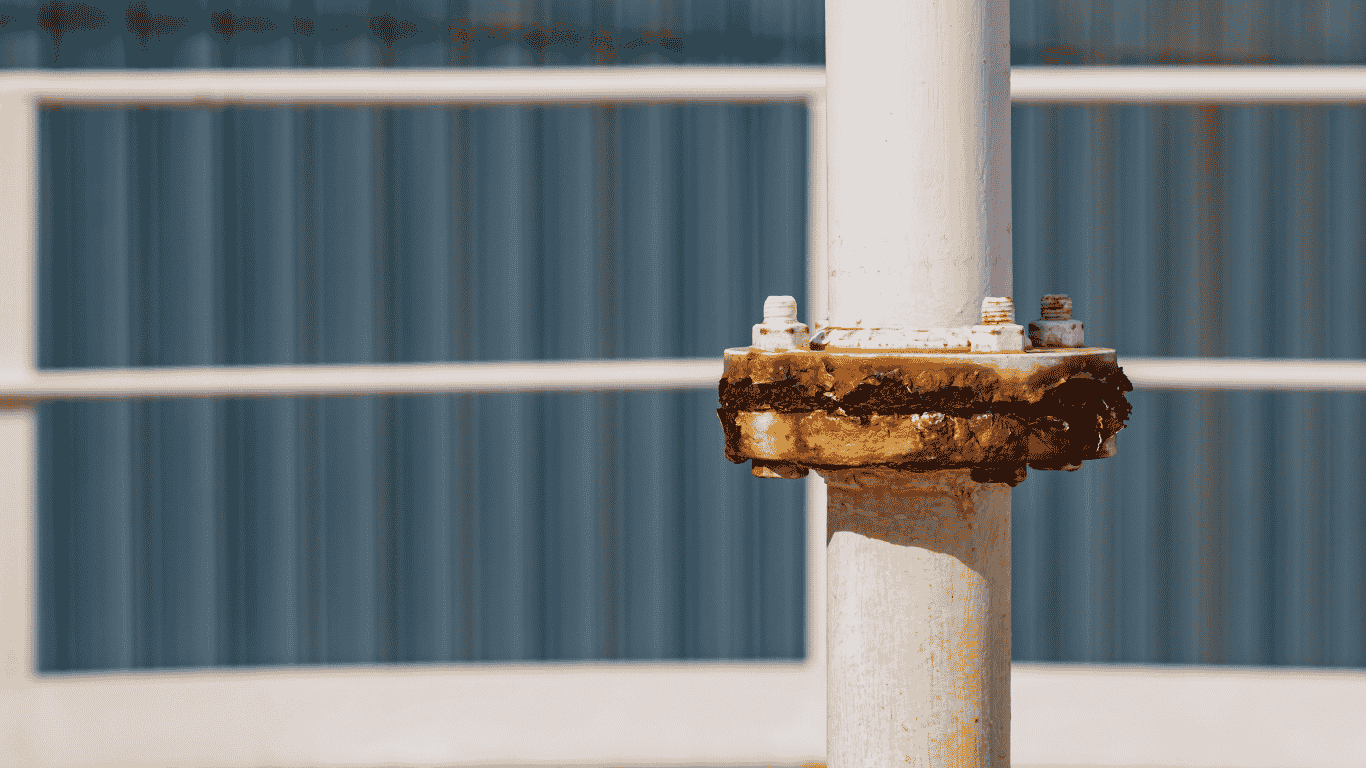
Galvanic corrosion is one of those issues that rarely announces itself early, yet it shows up in many industrial systems when different metals are asked to work together. We’ve seen it in piping networks, heat exchangers, structural connections, and even in places teams assumed were low risk. Everything may look fine on the surface, but below that metal surface, corrosion can already be at work.
What makes this type of corrosion tricky is how common the conditions are. Industrial environments rely on multiple metals, moisture, and continuous operation. When those elements come together in the wrong way, damage develops quietly over time. Operators often discover the problem only after leaks, performance losses, or unexpected maintenance shutdowns.
In this article, we want to walk you through how galvanic corrosion fits into real operating conditions. We will focus on why it happens, where it shows up most often, and how teams can recognize and manage the risks before they affect reliability, safety, or long-term equipment life.
How Galvanic Corrosion Occurs
In simple terms, galvanic corrosion occurs when two different metals are connected and exposed to the presence of an electrolyte, such as water containing dissolved salts or minerals. This combination sets off an electrochemical process that most operators have encountered, even if they did not label it at the time. Once the metals are in contact, a galvanic cell forms, allowing electrical current to flow between them.
At that point, a galvanic reaction begins. One metal becomes more active and starts to give up electrons, while the other becomes more protected. This imbalance drives corrosion reactions at the surface of the less resistant metal. Over time, that metal corrodes faster than it would on its own. This corrosion process is not sudden or dramatic. It develops gradually, often hidden beneath insulation, coatings, or connections.
Operators see this every day in real systems. A flange connection starts to pit, fasteners weaken, or a section of piping shows unexpected metal loss. Water chemistry plays a major role here. The electrolyte itself influences how aggressive the reaction becomes. If you want a deeper look at how water quality affects corrosion behavior across systems, our overview of water treatment systems and technologies explains how chemistry management can help control these reactions before damage accelerates.
Why Dissimilar Metals Create a Corrosion Risk
Dissimilar metal corrosion is something we see regularly in industrial systems, often in places teams never expected. It usually starts with a practical decision, selecting materials based on strength, availability, or cost. The issue is not the choice itself, but what happens when two dissimilar metals are installed together and allowed to interact under operating conditions.
- When two dissimilar metals are in direct contact, an electrical connection forms naturally. This electrical contact allows electrons to move from one metal to the other, setting up galvanic coupling that did not exist when each metal was on its own.
- Once galvanic coupling is established, one metal becomes more active while the other becomes more protected. That imbalance causes one metal to deteriorate faster, even though both materials may perform well individually.
- In real systems, this often shows up at joints, fasteners, and transitions. A bolt made from one metal corrodes while the surrounding material remains intact, or a flange connection weakens while the pipe looks fine. These patterns are classic signs of dissimilar metal corrosion.
- The risk increases when different metals are combined without considering how they behave together over time. What looks like a minor material change can quietly turn one metal into the weak point of the system.
Understanding how two dissimilar metals interact helps teams reduce unnecessary failures, protect connections, and extend the service life of critical equipment across industrial operations.
The Role of the Galvanic Series
The galvanic series is one of the most practical tools engineers and operators have when deciding which materials should work together in a system. We often tell teams to think of it as a roadmap. It does not just explain corrosion theory, it helps predict what will actually happen once metals are installed and operating in real conditions.
- The galvanic series ranks metals based on how they behave in an electrochemical environment. Metals listed higher are considered more active metals, while those lower on the list are more resistant. When metals are paired, their relative positions matter far more than their individual strength or cost.
- A less noble metal will tend to become the anodic metal in a connection. This means it gives up electrons more easily and corrodes faster. In contrast, a more noble metal acts as the cathodic metal and is naturally protected by the reaction.
- Problems arise when a very noble metal is paired with a much more active metal. The greater the separation on the galvanic series, the higher the corrosion risk. That gap accelerates material loss at the anodic metal, even when the overall system looks stable.
- Engineers use this information during material selection to choose metals that are closer together on the galvanic series. Metals close in ranking reduce the driving force behind corrosion and extend service life.
Water chemistry strongly influences how these rankings play out in operating systems. If you want to see how treatment strategies help control corrosion behavior, our overview of how water treatment chemicals protect water systems explains how chemistry supports better material performance.
Surface Area, Contact Points, and Corrosion Rates
Small design details often determine how fast corrosion develops, especially when galvanic effects are involved. One of the most overlooked factors is relative surface area. When two metals are connected, the size of each exposed surface plays a major role in how the reaction behaves. A small piece of one metal connected to a much larger section of another can quietly create an imbalance that speeds up material loss.
The cathode area is especially important. When a large cathodic surface is paired with a small anodic area, corrosion rates at the anodic metal rise sharply. This is where accelerated corrosion becomes a real operational problem. The electrical demand from the larger cathode pulls more current from the smaller metal, causing it to deteriorate faster than expected. In these situations, corrosion does not progress evenly, it concentrates at specific contact points.
Operators often notice this when corrosion increases at fasteners, bolts, or transition joints while surrounding materials remain intact. These conditions accelerate galvanic corrosion even when the metals themselves are compatible. Paying attention to surface area ratios during design, repair, and retrofits helps teams avoid concentrated damage and extend the service life of critical connections.
Common Industrial Material Pairings That Trigger Galvanic Corrosion
Galvanic corrosion usually develops from everyday material choices that seem logical at the time. In industrial systems, teams often combine various metals to improve durability, replace worn parts, or adapt existing equipment. The risk appears when these materials interact under operating conditions, especially when moisture and continuous contact are involved.
- Stainless steel is commonly paired with carbon steel because it offers strength and corrosion resistance. However, when stainless steel fasteners are installed into carbon steel, the less resistant metal becomes vulnerable and corrodes faster at the connection points.
- Galvanized steel presents another frequent issue. The zinc coating is meant to protect the steel substrate, but when galvanized steel is connected to stainless steel or other metals, that coating can be consumed more quickly. Once the zinc is gone, the exposed steel corrodes at an accelerated rate.
- Copper pipes are reliable in many applications, but problems arise when they are tied into carbon steel or galvanized steel lines. In these cases, corrosion often concentrates on the steel side of the connection while the copper remains intact.
- These material combinations are rarely intentional risks. Teams mix other metals during repairs, retrofits, or system upgrades without realizing how easily galvanic corrosion can take hold.
Understanding how common pairings behave helps operators identify vulnerable areas early and reduce long-term corrosion damage across industrial systems.
Galvanic Corrosion Risks in Operating Systems
Galvanic corrosion risks extend far beyond surface-level deterioration. In operating systems, corrosion damage often develops quietly at connection points, fasteners, and material transitions. By the time it becomes visible, metal loss may already be advanced. Operators typically encounter leaks, thinning walls, or weakened joints that appear sudden but have been forming over months or even years.
As metal corrodes, the impact spreads to surrounding components. Structural elements that were designed to carry load or maintain alignment slowly lose strength. Structural connections loosen, deform, or fail entirely, creating safety concerns and unplanned downtime. In severe cases, significant corrosion compromises structural integrity, forcing shutdowns that disrupt operations and increase repair costs. These failures are especially dangerous in pressurized systems, elevated structures, and critical process equipment where material loss can lead to rapid escalation.
Long-term reliability suffers when galvanic corrosion is left unmanaged. Equipment that should last decades may require early replacement, and repeated repairs often address symptoms rather than the root cause. Over time, corrosion damage increases maintenance demands and reduces confidence in system performance. Recognizing galvanic corrosion risks early allows teams to protect assets, maintain safe operating conditions, and preserve the reliability of industrial systems before failures become unavoidable.
Environmental Factors That Accelerate Galvanic Corrosion
The environment around your metals often determines how fast galvanic corrosion develops. Even the best material choices can be undermined by environmental factors that operators sometimes overlook. Moisture, temperature fluctuations, and the chemical makeup of surrounding fluids all influence the corrosion process.
- The presence of an electrolyte is critical. Water alone can create conditions for corrosion, but when it contains salts, minerals, or other ions, the corrosive electrolyte can accelerate metal loss. The exact electrolyte composition determines how aggressive the galvanic reaction becomes.
- Harsh environments amplify risks. Marine environments, for example, expose steel hulls, pipes, and structural elements to salty, humid air that dramatically increases corrosion rates. Similarly, chemical processing or high-humidity areas inside facilities can create conditions where even small galvanic cells become active.
- Operators can manage these factors through proper material selection, protective coatings, and water chemistry control. For insights on how water treatment strategies influence corrosion behavior and help protect metals in challenging environments, check out our guide on water treatment systems and technologies.
Where Galvanic Corrosion Commonly Appears in Industrial Equipment
Galvanic corrosion often shows up in places operators least expect, quietly affecting system performance long before visible damage appears. Equipment that combines multiple metals in close proximity is especially vulnerable, and small areas of contact can form a corrosion cell that steadily deteriorates components over time.
- Heat exchangers are a classic example. When tubes, plates, or fittings are made from different metals, galvanic current can develop across the metal surfaces. Even minor differences in corrosion potential between materials can trigger accelerated metal loss, reducing efficiency and increasing maintenance demands.
- Piping systems, valves, and structural connections also face similar risks. Wherever multiple metals are joined, a galvanic cell can form at the interface. Corrosion may concentrate at welds, flanges, or joints, while the surrounding metal appears unaffected, making early detection difficult.
- Other areas include pumps, tanks, and support structures where material combinations are common. Teams often notice performance declines or leaks only after corrosion has progressed. Recognizing these high-risk points and monitoring them regularly allows operators to manage galvanic corrosion before it impacts overall system reliability and safety.
Practical Ways to Prevent Galvanic Corrosion
Preventing galvanic corrosion starts with understanding where it occurs and how materials interact. The good news is that many practical strategies can significantly reduce risks, extend equipment life, and keep systems running safely. Operators who implement these measures often see fewer leaks, lower maintenance costs, and more reliable performance over time.
- Material selection is the first line of defense. Pairing metals that are close together on the galvanic series helps minimize galvanic corrosion naturally, while avoiding combinations with a large difference in corrosion potential reduces stress on the more active metal.
- Electrical isolation is another key strategy. By electrically insulating or using insulating materials between metals, teams can break the galvanic cell and prevent the flow of galvanic current that drives corrosion. Even simple barriers at joints, flanges, or fasteners make a noticeable difference.
- Protective coatings play a major role in resisting corrosion. Applying protective coatings or metallic coatings to vulnerable surfaces shields the metal from electrolytes and reduces direct exposure. Regular maintenance of these coatings ensures they remain effective over the long term.
In addition, proper water chemistry, regular inspections, and attention to high-risk contact points can further resist corrosion. Combining these approaches creates a layered defense, helping operators protect critical components, maintain structural integrity, and prevent costly repairs before corrosion becomes a serious problem.
Protective Strategies Used in Industrial Systems
Protecting metals from galvanic corrosion requires a proactive approach that goes beyond material choice. In industrial systems, teams often combine multiple strategies to ensure long-term reliability and reduce the risk of additional corrosion.
- Cathodic protection is one widely used technique. By applying a small electrical current or attaching a sacrificial anodic material, the system ensures that the more vulnerable metals remain protected. This method is especially effective in tanks, pipelines, and submerged structures, where corrosion can otherwise progress unnoticed.
- Corrosion inhibitors are another practical tool. These chemicals form a protective layer on metal surfaces, slowing down the electrochemical reactions that drive metal loss. When properly monitored and maintained, inhibitors reduce the overall corrosion rate and help extend equipment life.
- System design also plays a critical role. Minimizing direct contact between active materials and vulnerable metals, controlling moisture exposure, and ensuring proper drainage or ventilation can prevent conditions that accelerate corrosion. Attention to these details at the design and installation stages reduces the likelihood of structural issues later.
By combining cathodic protection, inhibitors, and thoughtful system design, operators can manage corrosion proactively. These strategies help protect both anodic and active materials, maintain system integrity, and prevent additional corrosion before it compromises safety or performance.
How Water Chemistry Influences Galvanic Corrosion
Water chemistry plays a critical role in how galvanic corrosion develops in industrial systems. Even well-chosen metals can corrode quickly if the surrounding water creates a corrosive process. Factors such as pH, dissolved salts, and oxygen levels influence the electrochemical reactions at the metal surface, accelerating the corrosion process and leading to unexpected metal loss.
- The composition of the electrolyte matters. Water with high conductivity or aggressive ions increases the flow of galvanic current between metals, intensifying corrosion at vulnerable points. Conversely, properly balanced water chemistry can slow down or even prevent metal corrosion, extending equipment life.
- Operators often see problems where water treatment is inconsistent or chemical programs are not monitored closely. Pipes, heat exchangers, and tanks are particularly sensitive because small changes in electrolyte composition can shift the system from stable to corrosive almost immediately.
- Preventing galvanic corrosion requires controlling water quality alongside material selection and protective coatings. Consistent monitoring and treatment reduce the severity of the corrosive process, protect active and anodic metals, and maintain system reliability. For insights into how chemical programs and water treatment strategies support corrosion control, see our guide on custom water treatment solutions.
Monitoring and Early Detection in Operating Facilities
Catching galvanic corrosion early is one of the most effective ways to protect industrial systems. Corrosion damage often starts small, at hidden joints or under insulation, but even minor deterioration can have a ripple effect if left unchecked. Operators who actively monitor corrosion rates are better equipped to prevent unexpected failures and extend equipment life.
- Regular inspections are essential. Checking visible surfaces, fasteners, and connection points helps identify early signs of corrosion effect, such as pitting, discoloration, or minor metal loss. Documenting changes over time allows teams to spot trends before they escalate.
- Using simple tools and sensors can complement visual checks. Measuring corrosion rates in critical areas or monitoring the condition of protective coatings provides actionable data to guide maintenance decisions.
- Teams that combine observation with proactive maintenance often reduce downtime and costly repairs. Early detection ensures that corrosion damage remains manageable, keeps structural elements secure, and maintains reliable system performance across industrial operations.
Designing Systems to Reduce Long-Term Galvanic Corrosion Risk
Smart system design is one of the most effective ways to minimize galvanic corrosion before it ever starts. Operators and engineers can plan for long-term reliability by considering how different metals interact and choosing materials that work well together.
- Pairing metals close together on the galvanic series reduces the likelihood of accelerated corrosion. When two metals have similar corrosion potential, the electrochemical reaction is weaker, and the risk to vulnerable components is minimized.
- Avoiding combinations of widely dissimilar materials is equally important. Dissimilar materials in direct contact create strong galvanic cells, where one metal deteriorates rapidly while the other remains largely unaffected. Thoughtful separation, insulation, or coatings at connection points can prevent this effect.
- Even small design choices, like the order of installation, orientation of structural elements, or location of fasteners affect long-term corrosion risk. By integrating corrosion control into system planning, teams can protect critical components, reduce maintenance needs, and ensure that the system performs reliably over decades.
Building a Corrosion Control Strategy for Industrial Systems
Developing an effective corrosion control strategy requires a holistic approach that combines materials selection, chemistry management, and proactive monitoring. By addressing all these areas together, teams can minimize galvanic corrosion and protect critical components before damage becomes costly or disruptive.
- Materials selection is the foundation. Choosing metals that are compatible, avoiding combinations with large differences in corrosion potential, and using coatings or insulation where needed reduces the driving force behind galvanic corrosion.
- Chemistry management plays a vital role in controlling the corrosive environment. Maintaining water quality, applying corrosion inhibitors, and monitoring electrolyte composition help slow the corrosion process across pipes, heat exchangers, and other critical equipment.
- Regular inspections and monitoring complete the strategy. Tracking corrosion rates, identifying early signs of metal loss, and addressing high-risk areas promptly allows teams to intervene before corrosion compromises system performance or structural integrity.
Reduce maintenance costs and extend equipment life by building a comprehensive corrosion control strategy. Our specialists can guide you in minimizing galvanic corrosion and protecting your metals across the entire system.
Frequently Asked Questions (FAQs)
What is bimetallic corrosion and how does it relate to galvanic corrosion?
Bimetallic corrosion is another term for galvanic corrosion. It occurs when two different metals are in direct electrical contact and exposed to an electrolyte. One metal becomes the anodic material and corrodes faster, while the other becomes the cathodic metal and is protected. This often happens at joints, fasteners, or material transitions where the galvanic effect concentrates damage on one metal surface.
How can I tell if galvanic corrosion is happening in my system?
Early signs include localized pitting, discoloration, or thinning at connection points. Corrosion increases most noticeably at the anodic metal in contact with a more noble metal. Monitoring corrosion rates over time and inspecting critical surfaces helps detect issues before leaks or structural failures occur.
Why does the cathode area matter in corrosion?
The size of the cathode area relative to the anodic metal directly influences the severity of the galvanic reaction. A large cathode area paired with a small anodic surface can accelerate corrosion dramatically, even when the metals themselves are compatible. Attention to contact points and surface ratios is crucial in system design.
What role does corrosion potential play in selecting metals?
Corrosion potential determines which metal becomes anodic and which becomes cathodic in a galvanic pair. Choosing metals close together in corrosion potential reduces the driving force for corrosion, helping minimize damage and maintain long-term system reliability.
Can surface treatments prevent galvanic corrosion?
Yes. Protecting the metal surface with coatings, paints, or insulating layers reduces direct contact and slows the corrosion process. Combined with proper material selection and water chemistry control, surface treatments are a practical step for managing bimetallic corrosion in industrial systems.
