What is Effluent? A Guide to Treated Wastewater
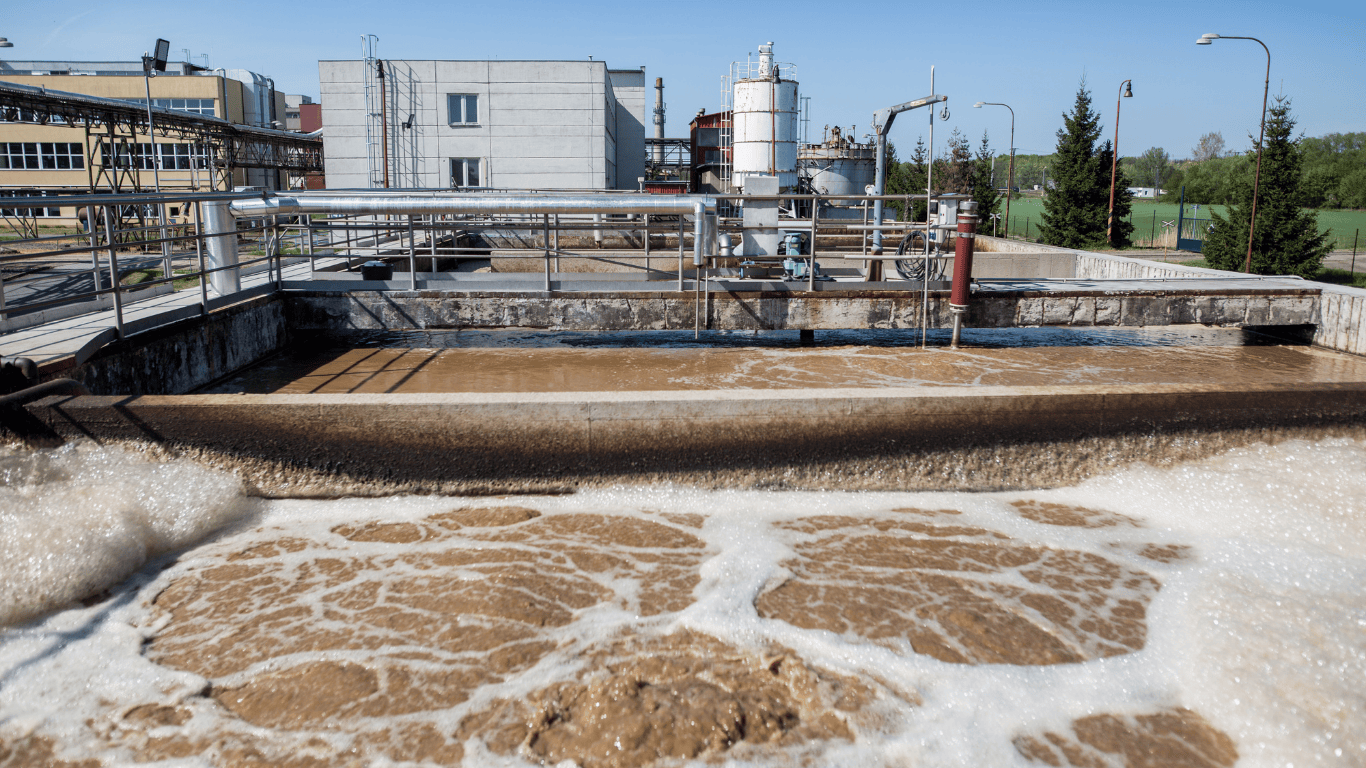
Understanding effluent is essential for anyone involved in managing water resources, industrial operations, or municipal wastewater systems. Simply put, effluent is the treated wastewater discharged from a treatment facility, septic system, or industrial process after undergoing various stages of purification. But effluent is more than just “wastewater leaving a plant.” Its quality directly affects water bodies, public health, and regulatory compliance, making it a critical focus for operators and facility managers alike.
May it be from municipal sewage treatment plants or industrial facilities, the way effluent is treated and managed can determine the overall impact on the environment. Proper treatment removes pollutants, suspended solids, and organic matter, reducing the risk of contamination and preserving water quality. In industrial contexts, effective effluent management can also create opportunities for water reuse, energy recovery, and sustainable operations. In this guide, we’ll explore what is effluent, how it’s treated, and why understanding its characteristics and treatment processes is vital for both regulatory compliance and environmental protection. By the end, you’ll have a clear perspective on managing effluent responsibly and optimizing its role in your operations.What is Effluent?
Effluent is the liquid waste that leaves a treatment facility, septic system, or industrial process after undergoing a series of purification steps designed to remove harmful substances. Unlike raw or untreated wastewater, effluent has been processed to reduce pollutants, suspended solids, organic matter, and other contaminants, making it safer for discharge into the environment or for reuse in industrial processes. Understanding the difference between untreated wastewater and treated effluent is fundamental for operators and facility managers who are responsible for maintaining water quality and complying with environmental regulations. Common sources of effluent include:- Municipal sewage treatment plants: These facilities collect wastewater from households, commercial areas, and some light industrial operations. The effluent generated typically contains domestic sewage, small amounts of food waste, and household chemicals. Proper treatment ensures that this effluent meets standards before entering rivers, lakes, or other surface water bodies.
- Industrial facilities: Factories and processing plants produce effluent that often contains heavier pollutants such as chemicals, solvents, or metals. Industrial wastewater must be treated carefully to meet strict regulatory guidelines and prevent contamination of surface water or groundwater resources.
- Septic systems: In decentralized or rural areas, effluent from septic tanks undergoes on-site treatment. While smaller in volume compared to municipal or industrial sources, septic effluent still requires proper management to protect soil and groundwater quality.
Types of Effluent
Effluent is not one-size-fits-all. The composition and treatment requirements vary depending on the source, which affects both how it’s treated and how it impacts the environment. Understanding the types of effluent is essential for facility operators, environmental managers, and anyone involved in water quality management.- Municipal effluent: Generated by municipal sewage treatment plants, this effluent primarily comes from households and commercial areas. It contains domestic sewage, small amounts of food waste, and household chemicals like detergents and cleaning agents. Treatment focuses on removing organic matter, suspended solids, and nutrients to maintain water quality in rivers, lakes, or other surface water bodies.
- Industrial effluent: Produced by industrial facilities, this type of effluent is often more complex due to specialized industrial processes. It can contain heavy metals, synthetic chemicals, solvents, and other persistent compounds. Industrial effluent requires careful pre-treatment and advanced processing to meet regulatory standards before discharge or potential reuse in processes like cooling water or irrigation.
- Commercial effluent: Originating from businesses such as restaurants, hospitals, office buildings, and retail centers, commercial effluent may resemble municipal wastewater but often has higher concentrations of specific contaminants. For example, restaurant wastewater may contain grease and oils, while healthcare facilities may discharge pharmaceuticals. Tailored treatment strategies are important to prevent interference with municipal treatment systems and protect water quality.
- Agricultural effluent: This includes wastewater from livestock operations, food processing plants, and irrigation return flows. High levels of nutrients, organic matter, and sometimes pathogens require careful management to prevent environmental impact. Effective treatment and monitoring help protect both surface water and groundwater resources in agricultural areas.
Industrial vs. Municipal Effluent
Understanding the differences between municipal and industrial effluent is essential for designing effective treatment strategies and maintaining water quality. While both involve wastewater treatment, their composition, complexity, and regulatory requirements vary significantly:- Municipal effluent typically comes from households, offices, and small commercial establishments. Because its composition is relatively predictable, municipal sewage treatment plants can apply standardized treatment processes to achieve compliance and maintain effluent quality consistently.
- Industrial effluent originates from industrial facilities and is often tied to specific industrial processes. It may contain heavy metals, solvents, synthetic chemicals, or other specialized pollutants that require advanced treatment to protect the environment and public health.
- Pre-treatment for industrial wastewater is often necessary before it enters municipal systems. Common steps include neutralization, metal precipitation, oil separation, or toxicity reduction, depending on the type of trade effluent. Pre-treatment ensures that industrial outfall does not disrupt municipal biological treatment processes or compromise overall effluent quality.
- Operational benefits of distinction: By clearly distinguishing between municipal and industrial effluent, operators can tailor wastewater treatment processes to each source. Proper management ensures that the stream exiting the facility is safe for discharge, reuse, or further treatment downstream, protecting water resources and maintaining regulatory compliance.
Effluent Treatment Processes
Effluent treatment is a multi-step process designed to progressively remove contaminants and prepare wastewater for safe discharge or reuse. Understanding each stage helps operators optimize performance, protect the environment, and maintain regulatory compliance.- Primary Treatment: This is the initial stage of the wastewater treatment process, focusing on the physical removal of large solids and debris. Screens, grit chambers, and primary clarifiers help separate suspended solids from the liquid waste, removing approximately 60% of solids and around 35% of biochemical oxygen demand (BOD). By taking out these materials early, primary treatment reduces the load on subsequent treatment stages and prevents damage to pumps and other equipment.
- Secondary Treatment: After primary treatment, effluent moves to secondary treatment, which uses biological processes to break down organic matter and remove most remaining pollutants. Activated sludge systems, trickling filters, and rotating biological contactors harness microorganisms to consume organic waste. This stage typically removes over 90% of suspended solids and about 85% of BOD, significantly improving water quality before discharge. Secondary treatment is essential for meeting effluent quality standards and protecting receiving waters.
- Tertiary and Advanced Treatment: Some applications require tertiary or advanced treatment processes to remove nutrients, pathogens, and persistent chemicals. Techniques include membrane filtration, UV disinfection, chemical precipitation, and advanced oxidation processes. These methods ensure that effluent meets stringent standards for discharge to sensitive water bodies or for reuse in irrigation, industrial processes, or groundwater recharge.
- Sludge Management: Sludge generated during primary and secondary treatment must be carefully managed. Dewatering reduces volume, while digestion stabilizes organic matter and reduces pathogens. Properly treated sludge can be repurposed for energy generation through biogas, used as fertilizer, or safely disposed of according to regulations. Effective sludge handling not only prevents environmental contamination but also creates opportunities for resource recovery.
Effluent Treatment Technologies
Effluent treatment relies on a combination of physical, chemical, and biological technologies to remove contaminants and maintain water quality. Selecting the right approach depends on the type of wastewater, its composition, and the desired quality of the treated effluent.- Physical Methods: Physical treatment focuses on separating solids and debris from liquid waste. Filtration, sedimentation, and flotation remove suspended solids and floating materials, helping to reduce the load on subsequent chemical or biological processes. Properly maintained filtration systems ensure consistent effluent quality and protect downstream equipment from damage.
- Chemical Methods: Chemical treatment enhances contaminant removal through processes such as coagulation, flocculation, and disinfection. Coagulants like aluminum sulfate or ferric chloride destabilize particles, which then aggregate for easier removal. Disinfection with chlorine, ozone, or UV light eliminates pathogens, ensuring public health safety. Chemical methods are especially important for industrial wastewater, where persistent or toxic compounds may not be fully addressed by biological processes.
- Biological Methods: Biological systems use microorganisms to break down organic matter and nutrients in the effluent. Activated sludge systems, trickling filters, and membrane bioreactors combine biological degradation with physical separation to achieve high-quality effluent. Membrane bioreactors, in particular, integrate filtration with microbial treatment, offering enhanced removal of solids and organic contaminants.
- Advanced Oxidation Processes (AOPs): For persistent contaminants such as pharmaceuticals or industrial chemicals, advanced oxidation processes provide an additional barrier. Highly reactive hydroxyl radicals generated from combinations of ozone, hydrogen peroxide, and UV light can destroy pollutants that conventional treatment cannot address.
Regulatory Standards and Compliance
Ensuring proper effluent requires strict adherence to regulatory standards designed to protect public health, surface water, and groundwater resources. Operators and facility managers must understand the frameworks that govern discharge to maintain compliance and avoid costly penalties.EPA Effluent Guidelines
The Environmental Protection Agency (EPA) establishes effluent guidelines that set national standards for industrial and municipal wastewater discharged to surface waters. These technology-based standards define maximum allowable concentrations for pollutants such as biochemical oxygen demand (BOD), total suspended solids (TSS), pH, and industry-specific contaminants. Facilities must meet both daily maximum and monthly average limits, ensuring consistent protection of the environment.NPDES Permits
The National Pollutant Discharge Elimination System (NPDES) requires that any facility discharging effluent into surface waters obtain a permit. These permits specify discharge limits, monitoring schedules, and reporting obligations. For operators, adhering to NPDES requirements is critical for maintaining effluent quality and protecting downstream ecosystems.State and Local Regulations
Beyond federal standards, many states and municipalities impose additional requirements. Some areas enforce stricter nutrient limits to prevent eutrophication in lakes and rivers, while others mandate advanced treatment for effluent reuse applications. Operators should always consider local environmental conditions and regulatory expectations when designing treatment processes.Monitoring and Reporting
Regular monitoring and reporting are essential to demonstrate compliance. Facilities collect samples, analyze water quality parameters, and submit detailed reports to regulatory agencies. These activities not only verify that effluent meets legal standards but also help operators detect and address potential issues before they escalate, minimizing environmental impact and safeguarding public health. Maintaining compliance is an ongoing process, and understanding these regulatory frameworks helps operators ensure that every stream exiting their facility is treated properly, safe for discharge, and protective of water resources.Discharge Limits and Parameters
Treated effluent must meet specific water quality parameters to protect ecosystems, public health, and maintain compliance. Monitoring these indicators ensures that both industrial and municipal wastewater treatment processes produce effluent that is safe for discharge, reuse, or further treatment. Key considerations include:- Organic pollution and solids: Biochemical oxygen demand (BOD), chemical oxygen demand (COD), and total suspended solids (TSS) measure organic matter and particle concentrations. Secondary treatment typically reduces BOD and TSS to safe levels, ensuring the stream exiting a facility supports aquatic life.
- Toxic substances and contaminants: Industrial and municipal effluent may contain heavy metals, synthetic chemicals, or other contaminants. Strict monitoring of these substances is essential, as they can persist in the environment, bioaccumulate, and harm both wildlife and human health.
- Additional water quality factors: Maintaining pH between 6.0 and 9.0, controlling temperature, and ensuring adequate dissolved oxygen are critical for preserving surface water and groundwater resources. Seasonal variations and sensitive water bodies may require stricter limits on nutrients and suspended solids to prevent algae blooms, oxygen depletion, or ecological disruption.
