Stop Clogs Fast: Industrial Drain Maintenance Guide
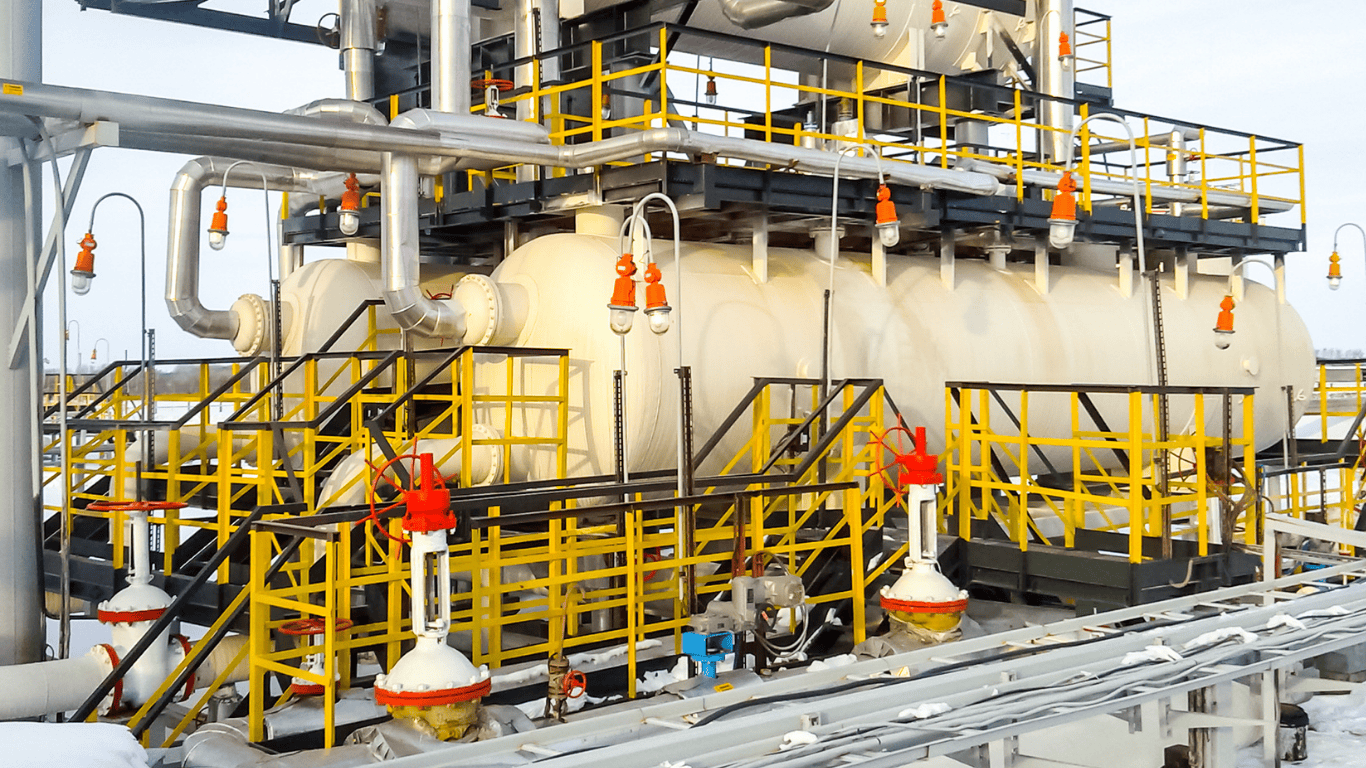
Drain maintenance in industrial facilities is far more complex than in typical commercial or residential settings. Unlike a simple clogged drain at home, where a plunger or some hot water might do the trick, industrial drains handle large volumes of water, chemicals, oils, and other debris that can quickly compromise operations if not managed properly. Operators often catch early issues by monitoring water flow and checking for unusual buildup in pipes before minor problems escalate into costly shutdowns or safety hazards.
Regular and systematic drain maintenance ensures that pipes remain clear, prevents clogs from forming in high-volume systems, and protects your facility from environmental violations or operational disruptions. In this guide, we’ll walk through everything from understanding industrial drainage infrastructure to professional cleaning methods, safety protocols, and emergency response strategies that keep your facility running efficiently and safely.Understanding Industrial Drain Systems
Industrial drain systems are designed to handle far more than the occasional clog or minor debris found in residential plumbing. Unlike a bathroom sink or kitchen drain at home, industrial drains must manage large volumes of wastewater, chemicals, oils, and manufacturing byproducts, often under high pressure and continuous use. Understanding the types of drains and their specialized components is essential for effective drain maintenance. Primary Drain Types- Process drains carry wastewater directly from manufacturing operations, often containing oils, chemicals, and other industrial residues. Proper maintenance ensures these drains do not corrode or clog.
- Stormwater systems manage runoff from large facilities, loading docks, and parking areas, preventing contamination from entering municipal storm systems.
- Sanitary drains serve restrooms, break areas, and administrative spaces, requiring durable pipes and regular inspections due to high traffic and frequent use.
- Chemical drains are dedicated to laboratory areas, emergency showers, and chemical storage zones, using corrosion-resistant materials to safely transport hazardous liquids.
- Floor drains in manufacturing or production areas withstand heavy equipment and frequent cleaning while maintaining a proper seal.
- Trench drains handle high-volume water flow in food processing or chemical plants, allowing easy access for cleaning.
- Grease traps and oil-water separators capture fats, oils, and petroleum products before they enter main drain pipes, protecting infrastructure and ensuring compliance with environmental regulations.
Preventive Maintenance Programs
Effective industrial drain maintenance starts with prevention rather than waiting for clogs or failures to occur. Proactive programs help facilities avoid costly downtime, extend the life of drain pipes, and ensure compliance with environmental regulations. Operators often catch early issues by keeping a consistent inspection schedule, spotting minor blockages before they escalate.- Weekly Visual Inspections - Teams should check accessible drains, floor grates, and covers for debris, damage, or signs of unusual buildup. Even a small accumulation of grease or sediment can signal a developing clog that needs attention.
- Monthly Flow Testing - Assessing water flow helps identify partial blockages invisible to the eye. Low flow rates can indicate early pipe buildup, allowing maintenance teams to intervene before a full system shutdown occurs.
- Quarterly Hydro-Jetting and Mechanical Cleaning - High-pressure water jetting removes sediment, oils, and chemical residues that normal cleaning cannot. Industrial augers or snakes handle tougher blockages, cutting through solidified materials in large-diameter pipes that would overwhelm residential drain tools.
- Annual CCTV Inspections - Video inspections provide a detailed view of pipe conditions, uncovering cracks, corrosion, or root intrusion. Documentation from these inspections supports regulatory compliance and guides targeted repairs.
Industrial Drain Cleaning Methods
Industrial drain maintenance requires professional-grade cleaning techniques far beyond typical residential solutions. While homeowners might rely on a drain auger, hot water, baking soda and vinegar, or liquid drain cleaners to clear a clogged sink, industrial systems demand specialized approaches to handle grease, oils, and heavy debris in high-volume pipes.- High-Pressure Water Jetting - Hydro-jetting systems operate at pressures up to 40,000 PSI, effectively removing mineral buildup, grease, and chemical residues. Specialized nozzles cut through blockages while flushing debris downstream, keeping drain pipes clear and minimizing operational downtime.
- Chemical Cleaning Protocols - Alkaline, acidic, and enzymatic solutions digest fats, break down mineral deposits, and remove chemical residues from process drains and grease traps. Trained operators apply these solutions during scheduled maintenance windows to maximize safety and effectiveness.
- Mechanical Cutting and Root Removal - Industrial-grade augers and chain cutters tackle solid blockages and root intrusions that would overwhelm residential drain tools. These devices restore flow in large-diameter pipes quickly and efficiently.
- Steam Cleaning for Grease and Oils - High-temperature steam liquefies solidified oils and grease, allowing thorough removal without harsh chemicals. This method works well in sensitive areas where chemical reactions must be minimized.
- Vacuum Extraction Systems - Industrial vacuum trucks remove sludge, sediment, and other debris from drains, grease traps, and sumps. Materials are safely collected for proper disposal, preventing environmental contamination.
Common Industrial Contaminants and Solutions
Industrial facilities generate a wide range of contaminants, and understanding how each behaves inside drain systems is essential for effective drain maintenance. From grease-heavy food waste to petroleum-based oils, every stream introduces unique challenges that can restrict flow, damage pipes, or create compliance issues if not properly managed. Addressing these contaminants proactively helps facilities prevent downtime and maintain clean, reliable drainage networks.- Petroleum Products and Lubricants: Petroleum-based oils and machine lubricants tend to coat pipe interiors, trapping debris and reducing system capacity. Facilities rely on emulsifying cleaners and surfactant-based solutions that break down these films, allowing wastewater to carry them out safely and preventing long-term buildup.
- Food Processing Waste: In food and beverage plants, grease, proteins, starches, and solids can accumulate rapidly, especially when employees accidentally pour grease down drains. Enzymatic treatments help digest fats and organic matter, while scheduled hot-water flushing and trap maintenance keep flow paths open and reduce odors.
- Chemical Residues: Manufacturing processes often leave behind corrosive or reactive chemical residues. Neutralizing agents and buffered cleaners help stabilize these waste streams before they enter main drainage lines, preventing corrosion and extending the life of pipes.
- Sediment and Debris: Heavy solids, grit, and production-related debris settle in low-flow areas, increasing the risk of blockages. Mechanical removal, hydro-jetting, and vacuum extraction systems work together to clear debris effectively and restore full system capacity.
Safety Protocols and Regulatory Compliance
Safety is a core priority in any industrial plumbing environment, especially when maintaining complex drain pipes that handle chemicals, wastewater, and potentially hazardous atmospheres. Following clear regulatory guidelines helps facilities maintain compliance while ensuring that technicians are protected throughout every step of the job. A structured safety program also reduces the risk of accidents, chemical exposure, and system failures.- OSHA Confined Space Procedures: Many drainage areas qualify as confined spaces, and OSHA requires strict entry protocols to maintain worker safety. Teams must verify oxygen levels, test for chemical gases, and use proper retrieval systems to protect personnel during entry.
- Personal Protective Equipment (PPE): Technicians rely on gloves, face shields, chemical-resistant suits, and other personal protective equipment to prevent exposure to hazardous waste and cleaning agents. Using the right gear ensures workers can safely inspect and maintain drain pipes without unnecessary risk.
- EPA Discharge Compliance: Facilities must ensure that all wastewater and chemical effluent meet EPA discharge limits. Routine sampling, proper documentation, and pre-treatment systems help maintain compliance and reduce environmental impact.
- Employee Training Programs: Regular training keeps teams informed about emerging regulations, new equipment, and updated procedures. This continuous education strengthens the facility’s safety culture and reinforces consistent, compliant operations.
Professional Equipment and Tools
Industrial drain maintenance relies on specialized tools that deliver the power, precision, and reliability needed to keep high-volume systems operating without disruption. These solutions go far beyond residential equipment like a basic auger or snake, allowing technicians to clean drains effectively, diagnose issues early, and restore full performance to heavily used pipes.- Truck-Mounted Jetting Systems: High-pressure jetting trucks provide powerful, continuous water flow capable of cutting through hardened buildup, chemical residues, and heavy grease deposits. Their strength makes them essential for large facilities with long pipe runs or recurring industrial blockages.
- Industrial Vacuum Systems: Vacuum trucks remove sludge, solids, and accumulated debris from sumps, trenches, and process drains. By extracting materials directly from the system, they help prevent backups and keep downstream equipment functioning smoothly.
- CCTV Inspection Technology: High-resolution cameras allow technicians to inspect pipe interiors in real time, identifying cracks, corrosion, and hidden obstructions. This technology guides targeted repairs and reduces unnecessary downtime.
- Specialized Cutting Tools: Chain cutters, high-torque machines, and industrial versions of an auger or snake can break apart solid blockages that normal tools cannot reach, restoring full flow and supporting long-term drain maintenance programs.
Emergency Response Procedures
Even with strong drain maintenance programs in place, industrial facilities must be prepared for unexpected failures, overflows, or hazardous releases. A well-structured emergency response plan ensures rapid action, protects facility assets, and minimizes environmental impact. Clear procedures help teams respond quickly, stabilize affected pipes, and restore clean drains to normal operation with minimal downtime.- 24/7 Emergency Response: Reliable emergency services allow trained technicians to mobilize immediately when a backup, break, or chemical spill occurs. Quick arrival reduces damage and prevents issues from spreading through interconnected piping networks.
- Environmental Containment: Containment barriers, absorbent materials, and neutralizing agents are deployed to stop wastewater or chemical releases from migrating into soil, storm drains, or production areas. This step is critical for protecting personnel and limiting regulatory exposure.
- Temporary Bypass Systems: Portable pumps and flexible piping routes wastewater around damaged sections, allowing facilities to maintain partial operations while repairs are underway. This helps stabilize critical systems without halting production entirely.
- Recovery and Restoration: After containment, teams remove contaminated materials, flush lines, and restore flow through affected pipes. Final verification ensures the system is functioning safely and efficiently.
- Communication Protocols: Clear reporting lines keep safety teams, facility leadership, and operators informed throughout the event. Documented communication improves decision-making and supports future prevention efforts.
