
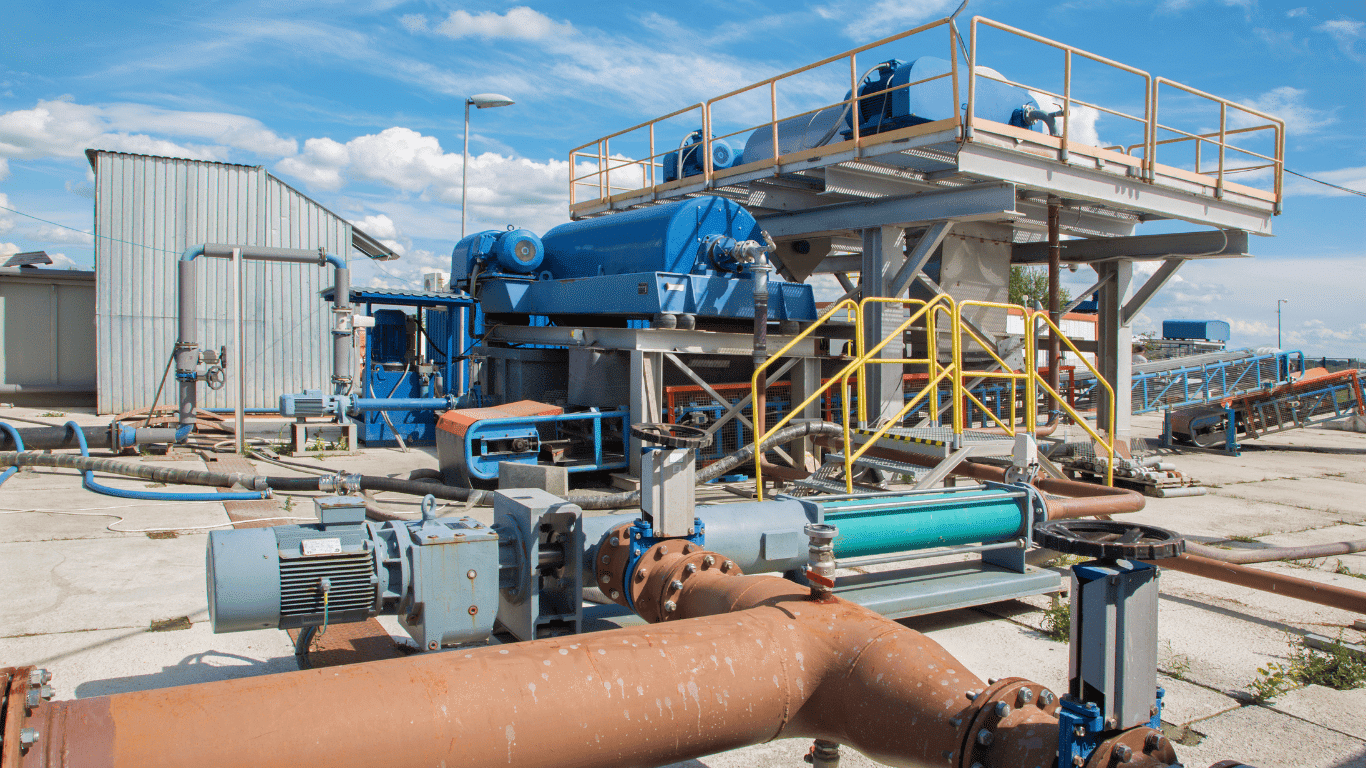
Effective biosolids management and dewatering systems are vital to keeping wastewater and resource recovery operations efficient.
At ProChem Water, we design and deliver engineered dewatering and sludge-handling solutions that reduce volume, lower hauling costs, and prepare biosolids for safe reuse or compliant disposal. With decades of experience across industrial and municipal facilities, we combine technical precision with real-world operational expertise to help you turn sludge challenges into sustainable performance.
What Are Biosolids and Why They Matter
Biosolids are nutrient-rich organic byproducts generated during the biological treatment of wastewater. Composed primarily of organic matter, nitrogen, phosphorus, and trace minerals, they represent both a challenge and an opportunity within treatment operations. When properly managed, biosolids can be stabilized, dewatered, and even repurposed as beneficial materials. When neglected, they can create significant operational, odor, and regulatory issues.
Effective biosolids management is a vital link in the treatment chain. Through a series of processes including thickening, stabilization, and dewatering, wastewater solids are transformed from unstable sludge into a manageable, compliant byproduct. Each stage contributes to pathogen reduction, odor control, and volume minimization, helping facilities lower handling costs while maintaining environmental compliance.
The Role of Dewatering in Biosolids Management
Dewatering plays a critical role in converting liquid sludge into a dense, semi-solid form with significantly reduced water content. This process not only minimizes hauling and disposal volumes but also stabilizes material for safer handling and improved odor management. With proper equipment selection and process control, dewatering can transform plant efficiency by cutting operational costs and simplifying downstream operations.
Well-dewatered biosolids support a wide range of downstream applications, from thermal drying and incineration to composting and land application. Depending on the chosen technology, solids concentrations can range from 15% to over 35%, allowing facilities to tailor dewatering levels to their reuse or disposal strategy. The result is improved energy efficiency, reduced environmental footprint, and more predictable long-term performance.
Upstream pre-thickening further enhances system reliability by concentrating solids before dewatering, easing mechanical load, and stabilizing feed consistency. By integrating both thickening and dewatering processes, ProChem delivers systems that achieve higher throughput, lower chemical consumption, and reduced maintenance demands, ensuring a more sustainable biosolids management strategy overall.
Dewatering System Options
Choosing the right dewatering technology shapes your operational cost, handling logistics, and long-term sustainability. ProChem evaluates sludge characteristics, throughput, cake dryness targets, footprint, and staffing to recommend the best fit. Below are the common options we deploy, with practical notes on where each excels and what to expect in terms of performance and maintenance.
- Centrifuge Systems: Centrifuges use high-speed rotation to force solids and liquids apart, producing relatively dry cakes suitable for continuous, high-throughput operations. They are compact, highly automated, and perform well under fluctuating feed conditions. Expect good cake dryness with moderate polymer conditioning and routine bearing and wear-component maintenance.
- Belt Filter Presses: Belt presses remove water through progressive mechanical pressure between two belts. They deliver reliable, steady performance and moderate cake dryness with relatively low energy demand. Belt presses are straightforward to operate and maintain, making them a common choice for both municipal plants and industrial sites with consistent feed characteristics.
- Screw Press Dewatering: Screw presses compress sludge via a screw conveyor and screening drum, offering efficient dewatering for viscous, oily, or fibrous sludges. These units run at low speeds, require modest polymer dosing, and typically demand less operator attention than some other technologies. They’re a good fit where robustness and low lifecycle cost matter.
- Plate & Frame / Membrane Filter Presses: Filter presses provide the highest cake solids and the finest solids capture by mechanically squeezing sludge between plates (with optional membrane pressurization). They are preferred when maximum dryness is required for disposal, incineration, or where landfill acceptance mandates low moisture. Expect higher maintenance intensity and batch operation logistics, coupled with excellent final solids quality.
- Hybrid and Integrated Configurations: Many facilities benefit from combined approaches. For example, polymer conditioning followed by a screw press, with centrifuge polishing or a belt press upstream. Hybrid systems allow ProChem to optimize dryness, energy consumption, and footprint while tailoring regeneration, polymer use, and maintenance schedules to your operating priorities.
Optimizing Dewatering Through Chemical Conditioning
Effective biosolids dewatering begins long before mechanical separation, with precise chemical conditioning. By using coagulants and polymers to flocculate fine particles, this process enhances solids strength, improves water release, and ensures uniform cake formation. Proper conditioning prevents clogging and extends equipment life, setting the foundation for consistent, efficient dewatering.
ProChem takes a data-driven approach to balancing polymer selection, dosage, and mixing energy. Overuse can drive up operating costs and cause blinding, while underuse reduces dryness and throughput. Through pilot testing and automation, we optimize chemical performance for stable operation under varying sludge loads, ensuring a strong return on every conditioning dollar.
Stabilization, Odor Control, and Final Handling
Once dewatered, biosolids often require stabilization to reduce pathogens and volatile organics. ProChem designs systems integrating aerobic or anaerobic digestion, lime stabilization, or composting to achieve Class A or Class B biosolids standards. These steps transform unstable sludge into a safer, easier-to-handle material while meeting strict regulatory limits.
Odor management is equally critical to plant performance and community acceptance. Enclosed processing areas, ventilation systems, and gas-phase treatment technologies mitigate odors from hydrogen sulfide, ammonia, and other compounds. The result is cleaner, safer operation and improved workplace conditions. Stabilized biosolids can then be beneficially reused, as soil conditioners, compost materials, or dried fuel pellets, turning an operational burden into a resource that supports sustainability and circular economy initiatives.
Design and Operational Considerations
Every ProChem biosolids system is custom-engineered to match your sludge properties, operating conditions, and long-term goals. Feed solids content, required dryness, available footprint, and energy considerations all guide design selection. The result is a system optimized not just for immediate performance but for lifecycle reliability and efficiency.
Integration is a hallmark of ProChem’s approach. Dewatering units align seamlessly with upstream thickening, digestion, and downstream handling or disposal, creating a unified, efficient process. Each system is built from durable, corrosion-resistant materials and configured for easy maintenance access. Modular layouts provide the flexibility to expand or upgrade capacity as treatment needs evolve over time.
ProChem Water’s Expertise and Lifecycle Support
At ProChem, biosolids management is treated as a critical component of the entire water treatment process, not a standalone operation. Our engineering team develops fully integrated systems designed for maximum reliability, automation, and compliance. Through pilot-scale testing, we identify the ideal combination of polymers, mechanical equipment, and control strategies tailored to each site’s conditions before full-scale implementation.
We deliver turnkey solutions from design through commissioning, including equipment selection, fabrication, installation, and performance validation. After startup, ProChem continues support through long-term maintenance programs, audits, and optimization services. Remote monitoring, spare parts management, and control upgrades ensure that each system continues to perform at peak efficiency year after year.
Benefits and Long-Term ROI
A well-engineered dewatering and biosolids management system generates measurable returns from day one. By reducing sludge volume, chemical use, and hauling frequency, facilities achieve lower operational costs and greater process stability. Reduced maintenance and improved dryness translate directly to extended equipment life and fewer unplanned shutdowns.
Beyond cost savings, ProChem’s approach supports sustainability and regulatory compliance. Efficient dewatering minimizes waste generation, enables beneficial reuse, and helps facilities meet environmental performance goals. Over time, the combination of reduced energy use, operational resilience, and reliable performance provides a clear, long-term ROI for every treatment plant.
Next Steps
At ProChem Water, we know that sludge management can quickly become one of the most expensive and frustrating parts of plant operations. Our goal is to simplify that for you, by designing biosolids and dewatering systems that cut disposal costs, reduce odors, and give you consistent results day after day. Whether you’re upgrading an existing setup or starting from scratch, we’ll make sure your system fits your space, goals, and budget.
Let’s talk about how to make your dewatering process more efficient and sustainable. Reach out to our technical team today to schedule a consultation, request testing, or learn how ProChem’s integrated approach can keep your wastewater operations cleaner, more reliable, and more cost-effective.
