
Chemical-based disinfection introduces safety risks, operational complexity, and potential byproducts, making consistent compliance a challenge for industrial and municipal facilities.
Ultraviolet (UV) disinfection provides a reliable, chemical-free solution, inactivating microorganisms while protecting both operations and the environment. At ProChem Water, we design and engineer UV systems for precise, predictable, and long-term pathogen control. Whether upgrading an existing system or deploying a new installation, our solutions deliver safe, efficient, and measurable results tailored to your facility’s needs.
Why Use UV Disinfection in Wastewater Treatment
Industrial and municipal facilities need safe, compliant effluent without the risks of chemical handling. Unlike chlorine, UV disinfection inactivates pathogens without introducing chemicals or harmful byproducts, providing immediate, reliable treatment.
UV is highly effective against chlorine-resistant microorganisms like Cryptosporidium and Giardia, making it ideal for high-sensitivity water reuse or discharge applications. Its rapid action allows for compact, modular reactors that fit limited footprints and demanding flow schedules.
Recognized by regulators for reuse compliance, UV eliminates the need for dechlorination while ensuring operational safety. Emerging UV-LED technologies further improve energy efficiency and extend lamp life, delivering a sustainable, low-maintenance solution for long-term pathogen control.
How UV Disinfection Works
UV disinfection uses germicidal UV-C light to neutralize microorganisms by disrupting their DNA and RNA, preventing replication. Unlike chemical methods, it works instantly and leaves no harmful residues, making it ideal for industrial and municipal wastewater applications.
Effectiveness depends on the delivered dose, a balance of light intensity and exposure time. Proper reactor design ensures consistent exposure even when flow or water quality changes. Pretreatment is critical, as turbidity or solids can shield pathogens from UV light, so upstream clarification is always part of the system.
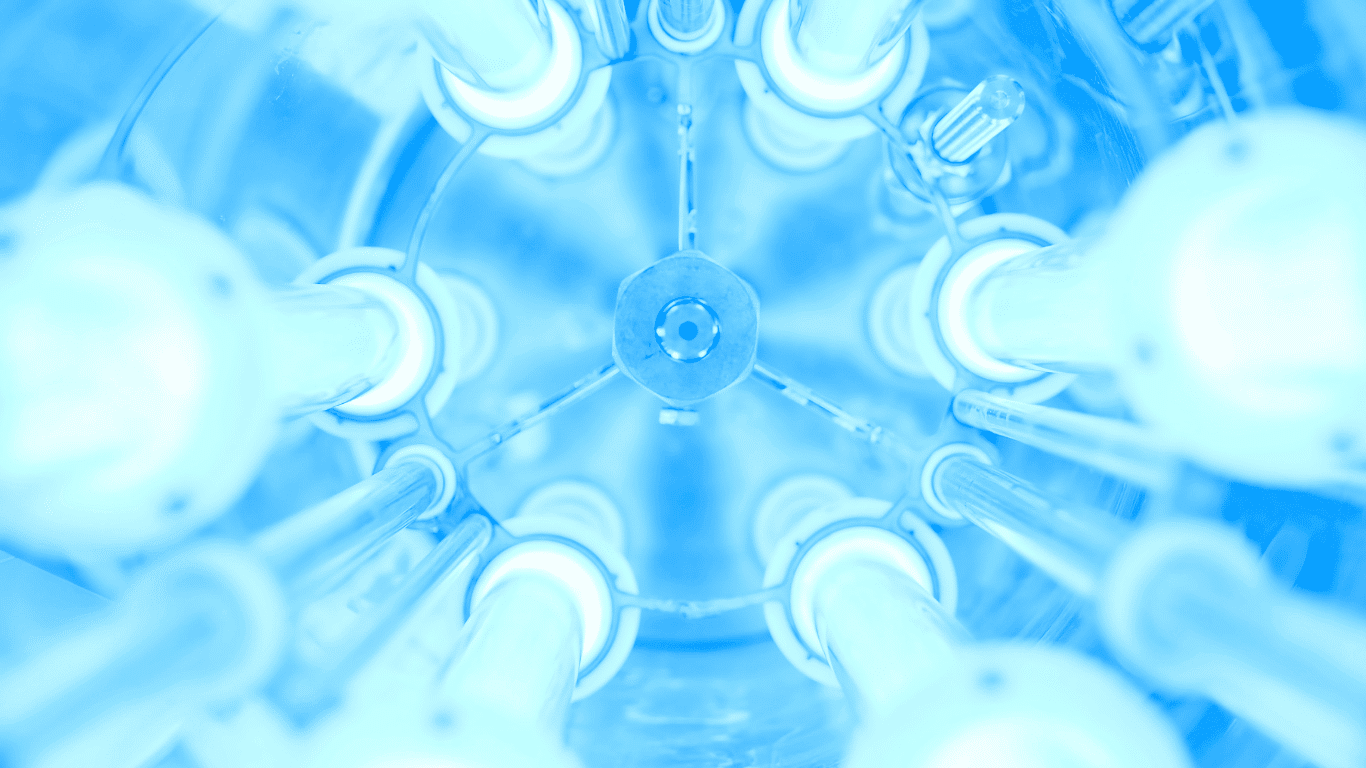
ProChem systems use low-pressure, medium-pressure, or LED-UV lamps in configurations like open-channel, closed-vessel, or modular skids. Built-in sensors and automatic cleaning tools maintain performance and verify dose delivery, providing reliable pathogen control with minimal downtime.
Applications and Use Cases
UV disinfection fits wherever pathogen control and chemical-free operation are priorities. In municipal and industrial wastewater, it serves as a final polishing step, ensuring effluent is safe for discharge or reuse. Facilities upgrading from chlorination often choose UV for its simplicity, reliability, and environmental advantages, eliminating the need for chemical handling and dechlorination.
For water reuse and reclamation, UV acts as a critical microbial barrier, supporting high-quality reclaimed water programs for both potable and non-potable applications. Its compact, modular design makes it ideal for decentralized or package plants, where footprint and automation are key.
Industries with high sensitivity to microbial contamination, such as food and beverage, pharmaceuticals, and petrochemicals, benefit from UV systems that reliably prevent contamination in effluent or process streams. Across all applications, UV disinfection provides a consistent, chemical-free solution that supports operational efficiency, regulatory compliance, and environmental stewardship.
ProChem Water’s UV Disinfection Capabilities
ProChem takes a comprehensive approach to UV disinfection, ensuring systems are engineered for long-term reliability, operational efficiency, and regulatory compliance:
- Feasibility and Pilot Testing: We start by analyzing your water matrix, including UV transmittance, turbidity, and microbial targets, and can conduct pilot trials to confirm optimal dosing and lamp configurations.
- Custom Engineering and Reactor Design: Every reactor geometry, lamp layout, and hydraulic model is tailored to your flow, footprint, and process requirements, ensuring precise performance under real-world conditions.
- Modular and Skid-Mounted Systems: Our plug-and-play UV systems arrive preassembled, prewired, and factory-tested, simplifying integration for fast-track projects or retrofits.
- Integration and Commissioning: ProChem handles full project execution, including piping and control integration, validation testing, and operator training, delivering a ready-to-operate system.
- Monitoring and Diagnostics: Onboard diagnostics and remote monitoring tools provide real-time visibility of lamp performance, UV intensity, and system status, supporting consistent, compliant operation.
- Service and Lifecycle Support: From replacement lamps and quartz sleeves to scheduled maintenance and system audits, ProChem ensures your UV system continues performing at peak efficiency.
- Upgrades and Retrofits: Older or underperforming systems can be modernized with new lamp technology, enhanced automation, or improved validation instruments, extending system life and maintaining regulatory compliance.
Benefits and ROI
UV disinfection delivers measurable advantages across operations, safety, and compliance. By eliminating chemicals, facilities reduce handling risks and avoid disinfection byproducts, ensuring water is safe for reuse or discharge. Pathogen control is consistent and reliable, including against chlorine-resistant microorganisms, giving operators confidence in system performance.
Compact and modular, UV systems treat large volumes quickly while fitting into constrained spaces, and staged lamp arrays or redundancy reduce downtime during maintenance. Energy-efficient lamp and LED options lower operational costs while extending service intervals, supporting both sustainability and predictable OPEX.
Beyond operational benefits, UV systems reinforce regulatory compliance and environmental stewardship, enhancing public and stakeholder confidence. For facilities seeking a long-term, reliable, and cost-effective disinfection strategy, UV provides both technical performance and measurable ROI.
Getting Started with ProChem’s UV Disinfection Systems
- Consultation and Data Review – Share your flow rates, effluent characteristics, and pathogen targets so we can assess your unique requirements.
- Sample Analysis and Testing – Provide water quality data, including UV transmittance, turbidity, and solids, to guide accurate sizing and reactor design.
- Pilot Trials and Validation – Verify UV dose, lamp performance, and microbial inactivation under real-world conditions before full-scale deployment.
- System Design and Proposal – Receive a tailored layout, control logic, and integration plan optimized for your facility’s footprint and process needs.
- Fabrication and Factory Testing – Systems are preassembled, prewired, and tested to ensure readiness for installation.
- Installation and Commissioning – Includes lamp calibration, UV dose verification, and operator training to ensure safe, compliant operation.
- Long-Term Service and Optimization – Ongoing maintenance, lamp replacement, audits, and remote monitoring keep your system performing at peak efficiency.
Next Step
Partner with ProChem Water to implement a chemical-free, reliable UV disinfection system that protects your water, your operations, and your regulatory compliance. Contact us today to start the conversation.
